Why Most Restaurant Furniture in Dhaka Fails Within 3 Years
Walk into any three-year-old restaurant in Dhaka’s Banani, Gulshan, or Dhanmondi neighborhoods, and you’ll often see the same pattern: veneer peeling off table edges, upholstery stains that won’t lift, wobbly chair joints, and corroded metal fixtures. The culprit isn’t poor maintenance alone—it’s specification decisions made during the restaurant interior design in Dhaka phase that failed to account for Bangladesh’s unique operational reality.
Bangladesh’s 70-90% average humidity, six-month monsoon cycle, frequent power cuts affecting HVAC consistency, and the sheer volume of daily covers in profitable F&B operations create a durability gauntlet that standard commercial furniture simply cannot survive. When a 60-seat restaurant in Dhaka serves 180-240 covers daily during peak seasons, each chair experiences 4-6 seatings per service, accumulating wear at rates 2-3× higher than Western low-turnover concepts.
The financial impact is substantial. Replacing furniture prematurely in a 2,000 sq ft restaurant typically costs BDT 8-12 lakh, plus lost revenue during refurbishment downtime and the reputational damage of a visibly deteriorating interior. For restaurant owners and F&B investors, understanding how to specify restaurant furniture materials Bangladesh climate and usage patterns demand is not aesthetic preference—it’s operational economics.
The Bangladesh Climate Reality: What Your Furniture Faces Daily
To select durable materials, you must first understand the environmental assault they’ll endure. Dhaka’s climate imposes three distinct challenges that differentiate it from moderate-climate markets:
Humidity and moisture cycling: Relative humidity in Dhaka ranges from 60% in winter to 85-90% during monsoon months (June-September). This constant moisture penetration causes wood to swell and contract cyclically, loosening joints, warping surfaces, and creating pathways for fungal growth. Unsealed or poorly sealed wood can absorb 15-20% moisture by weight during monsoon, leading to dimensional instability that no amount of post-installation maintenance can reverse.
Temperature fluctuation and HVAC inconsistency: Most Dhaka restaurants operate air conditioning during service hours (12-16 hours daily) but allow ambient conditions overnight or during kitchen prep periods. This creates dramatic temperature swings—from 18-22°C during service to 30-35°C during closed hours. Materials expand and contract, adhesives weaken, and finishes crack. Frequent load-shedding episodes exacerbate this, subjecting interiors to sudden humidity spikes when AC fails mid-service.
High-traffic wear patterns unique to Bangladesh F&B: Bangladeshi dining culture involves longer table occupancy times compared to quick-service Western models, but higher turnover than fine dining. A successful Dhanmondi café might turn tables 4-5 times during Friday brunch alone. Chairs get dragged across floors repeatedly (tile or wood), tables accumulate spills from serving styles involving multiple shared dishes, and high-touch surfaces like table edges experience constant contact. Add the common practice of serving very hot ceramic dishes directly onto table surfaces, and you understand why standard melamine finishes blister and crack.
Material-by-Material Specification Guide for Restaurant Furniture Bangladesh Durability
Selecting materials requires balancing upfront cost, durability, aesthetic requirements, and maintenance realities. Here’s what actually works in Dhaka’s high-traffic, high-humidity restaurant environments:
Tabletops: Beyond Standard Laminates
Solid Surface (Corian, Acrylic-based): Initial cost BDT 12,000-18,000 per sq meter installed, but delivers 7-10 year lifespan with proper care. Non-porous surface resists staining from turmeric-heavy Bengali cuisine, can be sanded to remove scratches, and handles hot plate contact better than laminates. Specify 12mm minimum thickness for stability. Available through Dhaka suppliers like Otobi Corporate or imported via specialized fabricators in Tejgaon industrial area.
High-Pressure Laminate (HPL) over moisture-resistant substrate: Cost-effective at BDT 4,500-7,500 per sq meter, but critical to specify 1.2mm thick HPL (not 0.8mm economy grade) over marine-grade plywood or MR-MDF core, not standard particle board. Standard particle board absorbs moisture at cut edges and swells within 18 months in Dhaka humidity. Edges must be sealed with 2mm ABS or PVC edge banding with hot-melt adhesive, not self-adhesive strips that peel in humidity. Expect 5-6 year lifespan with this specification.
Engineered stone (Quartz composite): Premium option at BDT 18,000-28,000 per sq meter, typically reserved for bar tops or feature tables. Exceptional stain resistance and durability (10+ years), but weight requires robust base structures. Not cost-effective for standard dining tables unless brand positioning demands luxury aesthetic.
Avoid completely: Direct laminate over particle board (fails within 2 years), solid wood without proper sealing (warps and cracks in monsoon), glass tops in high-volume operations (chips and scratches become safety hazards).
Seating: Frame, Foam, and Fabric Engineering
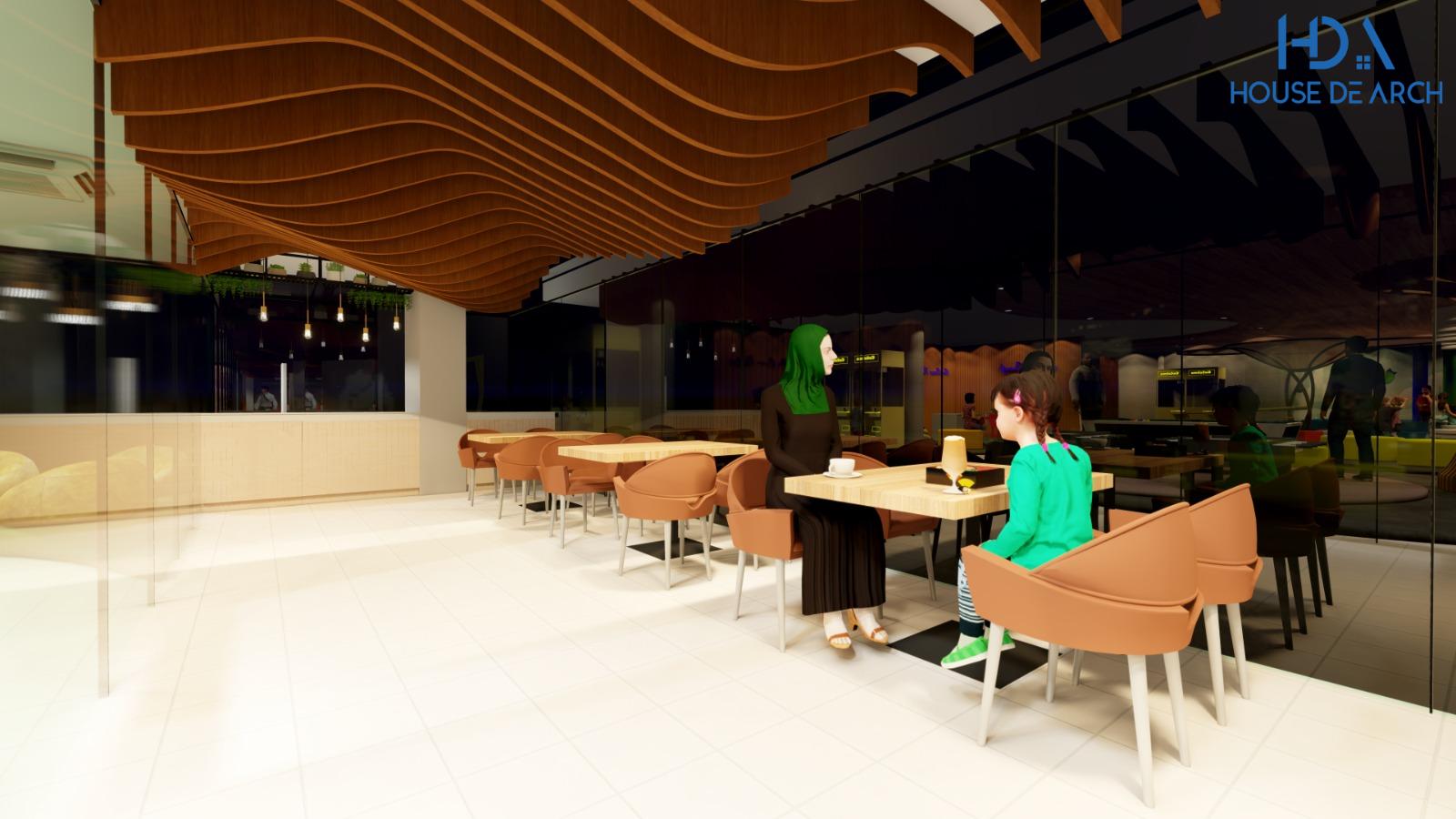
Frame materials: Metal frames outperform wood in Bangladesh humidity, but specification matters. Powder-coated mild steel (2mm wall thickness minimum for tubes) costs BDT 2,800-4,200 per chair and lasts 6-8 years if powder coating is applied after proper surface preparation (sandblasting and zinc phosphate pre-treatment). Stainless steel 304-grade increases cost to BDT 5,500-8,500 per unit but eliminates corrosion risk entirely in coastal-influenced Dhaka air—worth it for outdoor or semi-outdoor restaurants.
If wood frames are aesthetically necessary, specify kiln-dried hardwood (not locally sourced green wood that’s 40-60% cheaper but warps within months). Shegun (teak) or Malaysian meranti, properly kiln-dried to 10-12% moisture content, costs BDT 4,500-7,000 per chair but survives humidity. All wood must receive moisture-barrier primer plus polyurethane topcoat (three coats minimum, wet-sanded between applications). Joints must be doweled and glued, not just screwed—screws loosen as wood moves with humidity cycles.
Upholstery specifications: Standard cotton-blend fabrics stain permanently from food oils common in Bangladeshi cuisine and absorb odors. Specify vinyl or polyurethane synthetic leather (BDT 450-850 per meter) for easy cleaning, or invest in performance fabrics with fluorocarbon stain treatment (Crypton, Sunbrella commercial grades at BDT 1,200-2,200 per meter imported cost). Foam density matters more than most designers specify: 32-36 kg/m³ high-resilience foam maintains shape for 5-7 years versus 24-28 kg/m³ standard foam that bottoms out within 2-3 years under heavy use.
Avoid: Natural fabrics without treatment, foam below 30 kg/m³ density, wood frames from non-kiln-dried lumber, any upholstery without removable/replaceable covers (stains are inevitable—plan for replacement, not permanent installation).
Flooring: What Actually Survives Kitchen Spills and Foot Traffic
Vitrified tiles (600×600mm or larger): The workhorse of Dhaka restaurant flooring. Full-body vitrified tiles at BDT 85-180 per sq ft (RAK, Somany, or equivalent quality) with proper installation (6mm joint spacing, flexible adhesive, sealed grout lines) deliver 10+ years. Specify matte or textured finish—polished tiles become lethally slippery when wet, a constant condition in Bangladeshi restaurant kitchens and service areas during monsoon.
Epoxy flooring for kitchens: BDT 180-320 per sq ft installed, but creates seamless, non-porous surface that BSTI and health inspectors increasingly prefer. Resists oil, acid (tamarind-based gravies), and alkali (cleaning chemicals), with 8-12 year lifespan if applied over properly prepared concrete substrate.
Engineered wood in dining areas: Aesthetic appeal is high, but only viable if you specify 14-18mm multi-layer engineered planks (not 8-10mm thin laminates) with HDF core and factory-applied UV-cured finish. Cost BDT 220-420 per sq ft installed. Requires climate-controlled environment—feasible in fully air-conditioned fine-dining concepts, risky in casual restaurants with inconsistent HVAC. Expect 6-8 year lifespan with annual refinishing budget.
Avoid: Marble (stains from acidic foods, requires constant sealing), natural wood (expansion/contraction in humidity), standard laminate flooring (moisture penetration at joints causes swelling), concrete with basic paint (wears through in 12-18 months).
Wall Finishes: Balancing Aesthetics with Humidity Resistance
Washable paint systems: Acrylic emulsion with anti-fungal additives (Asian Paints Royale, Berger WeatherCoat, similar BDT 28-45 per sq ft material + labor) over properly primed walls. Two primer coats plus two finish coats minimum. Specify eggshell or satin sheen—matte finishes stain permanently, high-gloss shows every wall imperfection and feels institutional.
Glazed ceramic or porcelain wall tiles for wet/high-splash zones: Essential within 1.2m of all sinks, beverage stations, and behind service counters. BDT 65-140 per sq ft installed (material + labor). Epoxy grout, not standard cement grout that stains and harbors bacteria.
Textured finishes and feature walls: If specifying exposed brick, concrete, or textured plaster for aesthetic reasons, all must be sealed. Unsealed porous surfaces absorb cooking odors, grease particles, and moisture. Penetrating sealers (silane/siloxane based) cost BDT 18-35 per sq ft but prevent the progressive darkening and odor absorption that ruins these features within 2-3 years.
Avoid: Wallpaper in Bangladesh restaurant environments (peels and molds), unsealed wood paneling, fabric wall coverings (odor and stain magnets), standard wall paint without anti-fungal treatment.
Lighting Fixtures: Durability Beyond Aesthetics
Restaurant lighting typically prioritizes ambiance, but durability failures create operational headaches and safety risks. In Bangladesh’s humid environment:
Fixture housing: Specify powder-coated aluminum or stainless steel housings, not mild steel that corrodes or plastic that yellows and becomes brittle in heat. Coastal humidity in Dhaka (we’re 25km from saltwater influence via rivers) accelerates metal corrosion. Budget BDT 2,800-8,500 per fixture for durable pendant or track lighting versus BDT 800-2,200 for economy fixtures that require replacement within 3 years.
LED systems: Upfront cost is 40-60% higher than CFL/incandescent, but 50,000+ hour lifespan and 70% energy reduction pay back investment within 18-24 months in restaurants operating 12+ hours daily. Specify drivers/transformers with IP44+ rating minimum for humidity resistance. Cheap LED drivers fail frequently in load-shedding environments—budget BDT 450-850 per driver unit for quality components.
Cleanability: Open kitchens and high-volume cooking generate grease-laden air that coats fixtures. Specify fixtures with removable diffusers/shades that can be degreased monthly, not sealed units where buildup diminishes light output and creates fire risk over time.
The Cost Analysis: 7-Year True Ownership Economics
Restaurant owners often choose materials based on upfront capital cost, but durability specifications should be analyzed on total cost of ownership over realistic lifecycle:
Example: 60-seat restaurant furniture package (20 tables, 60 chairs)
Economy specification approach:
- Laminate/particle board tables: BDT 3.2 lakh
- Basic wood chairs with cotton upholstery: BDT 2.8 lakh
- Standard paint and basic flooring: BDT 4.5 lakh
- Total initial: BDT 10.5 lakh
- Replacement at year 3: BDT 6.2 lakh (partial replacement, inflation-adjusted)
- Replacement at year 6: BDT 7.8 lakh
- 7-year total cost: BDT 24.5 lakh
Durability-optimized specification:
- HPL over marine ply tables with proper edge sealing: BDT 4.8 lakh
- Powder-coated metal frame chairs, performance fabric: BDT 4.2 lakh
- Quality vitrified flooring, anti-fungal paint system: BDT 7.5 lakh
- Total initial: BDT 16.5 lakh
- Minor refurbishment at year 5 (reupholstery, touch-ups): BDT 2.8 lakh
- 7-year total cost: BDT 19.3 lakh
The durability approach costs 57% more upfront but delivers 21% lower total cost over seven years while avoiding the operational disruption and reputational damage of visible deterioration at years 2-3. This analysis excludes the revenue impact of closure periods for emergency replacements, which can cost BDT 80,000-150,000 in lost profit for a week-long closure in a profitable restaurant.
Supplier and Specification Resources in Dhaka
Sourcing durable materials in Dhaka requires knowing which suppliers maintain quality standards versus those selling appearance-grade products at durability-grade prices:
Furniture manufacturers with commercial track records: Otobi Corporate Solutions, Hatil Contract, and Regal Furniture maintain separate commercial divisions that understand restaurant specifications. Request references from existing restaurant installations and inspect those sites personally—photos prove nothing about durability.
Material suppliers: Navana, Partex, and Fresh for laminates and boards (verify MR/BWR grade certification, not just verbal assurances). Tiles from RAK Ceramics Bangladesh, Asian Paints/Berger for professional-grade coatings. For imported performance fabrics and specialty materials, work with architectural design firms who maintain importer relationships and can consolidate shipping to reduce per-unit costs.
Testing and verification: Before committing to full orders, request material samples and conduct basic field tests: submerge laminate samples in water for 48 hours and check for edge swelling, expose fabric samples to common staining agents (turmeric paste, oil, sauce), verify powder coating adhesion with cross-hatch tape test. Reputable suppliers accommodate testing; those who resist likely know their products won’t perform.
Design Specifications That Protect Your Investment
Material selection is only effective when paired with proper design specifications. When reviewing proposals from design firms or contractors, verify these critical details appear in written specifications:
Edge detailing: All laminates, veneers, and composite materials must specify edge treatment method (2mm ABS minimum, application method, adhesive type). Unsealed edges are the primary failure point in humid environments.
Finish schedules: Paint specifications should include brand, product line, number of coats, surface preparation requirements, and dry film thickness. “Two coats of paint” is inadequate—specify “Asian Paints Apcolite Premium Emulsion, two coats primer (APL primer), two coats finish, minimum 40 microns dry film thickness per coat.”
Substrate requirements: Any built-in furniture or millwork must specify substrate material grade (BWR/Marine ply for moisture areas, commercial-grade MR-MDF for dry areas), thickness, and edge sealing requirements.
Hardware specifications: Hinges, drawer slides, and mechanisms should specify brand (Hettich, Blum, or equivalent), load ratings, and finish. Generic “soft-close hinges” fail within 18 months; Blum Clip-Top Blumotion rated for 80kg door weight lasts 7+ years.
Installation requirements: Specifications should require acclimatization periods (materials stored on-site for 48-72 hours before installation to stabilize to ambient moisture), controlled environment during installation, and curing times before loading furniture or allowing traffic.
House De Arch’s restaurant interior design in Dhaka documentation includes comprehensive finish schedules, substrate specifications, and installation protocols that contractors must follow—protecting both design intent and client investment.
Maintenance Protocols That Extend Lifespan
Even optimally specified materials require proper maintenance to achieve 7+ year lifespan. Implement these protocols from day one:
Daily cleaning procedures: Train staff on material-appropriate cleaning. Solid surface and HPL tabletops: mild pH-neutral cleaner and microfiber cloth (harsh abrasives scratch protective coatings). Upholstery: vacuum daily, spot-clean spills immediately with manufacturer-recommended products. Floors: sweep/vacuum before wet mopping (grit particles scratch tile finish over time).
Monthly deep maintenance: Degrease lighting fixtures, inspect and re-tighten all furniture hardware (humidity causes wood movement that loosens screws), check grout lines and re-seal if cracking appears, inspect upholstery for tears and repair immediately (small tears become large failures quickly under use).
Annual professional service: Budget BDT 45,000-75,000 annually for professional deep cleaning, wood refinishing touch-ups, hardware replacement, and upholstery professional cleaning or replacement. This preventive investment is 15-20% the cost of premature replacement.
Documentation: Maintain material specification sheets, warranty information, and supplier contacts. When repairs or replacements become necessary, matching original specifications ensures consistency and prevents aesthetic patchwork that signals poor maintenance to customers.
When to Engage Professional Restaurant Design Expertise
Material selection intersects with space planning, regulatory compliance, operational workflow, and brand positioning—complexities that exceed furniture catalogue browsing. Professional commercial interior design expertise becomes cost-effective when:
Investment exceeds BDT 40-50 lakh: At this threshold, specification errors create six-figure financial consequences. Professional design fees (typically 8-12% of project value) deliver ROI through optimized material selection, supplier negotiation leverage, and installation oversight that prevents costly rework.
Space involves structural modifications or RAJUK submissions: Restaurant renovations often require RAJUK approval for modifications, fire safety compliance, ventilation systems, and occupancy loads. Design firms managing space renovation projects navigate these regulatory requirements while coordinating material specifications with structural and MEP requirements.
Brand positioning demands custom solutions: Chain restaurants, upscale concepts, or brands requiring distinctive identity benefit from custom furniture and finish solutions that catalogue products cannot deliver. Design firms maintain fabrication relationships and engineering capabilities to develop branded elements with appropriate durability specifications.
Timeline pressure exists: Restaurant launch dates tie to lease obligations, seasonal opportunities, and competitive timing. Professional project management coordinates procurement, fabrication, and installation to compress timelines while maintaining quality—often reducing overall project duration by 30-40% compared to owner-managed sequential contracting.
The Hidden Costs of Material Specification Failures
Beyond direct replacement costs, specification failures carry operational consequences restaurant financial models often underestimate:
Revenue loss during emergency replacements: A dining area requiring emergency furniture replacement mid-operation loses 40-60% capacity during 1-2 week refurbishment periods. For a restaurant generating BDT 12-15 lakh monthly revenue, this creates BDT 3-4.5 lakh direct loss plus customer defection to competitors.
Reputational damage: Visibly deteriorating interiors signal operational neglect to customers. Online reviews increasingly mention furniture condition, cleanliness, and maintenance—factors directly influenced by material durability. A single viral negative review mentioning “sticky tables” or “torn seats” can impact traffic for months.
Staff morale and operational efficiency: Staff working with wobbly furniture, sticking drawers, or malfunctioning equipment experience higher stress and lower productivity. Maintenance issues create service delays that reduce table turns and customer satisfaction.
Regulatory exposure: Deteriorating finishes, especially in kitchen and food prep areas, create health inspection vulnerabilities. Peeling surfaces, cracked tiles, and unsealed joints harbor bacteria and violate BSTI food safety guidelines, potentially triggering closure orders or operating restrictions.
FAQ
What is the realistic lifespan of restaurant furniture in Dhaka’s climate?
With proper material specification and maintenance, restaurant furniture in Dhaka should last 6-8 years minimum. Tables with HPL over marine-grade plywood and proper edge sealing last 5-7 years; solid surface tabletops 8-10 years. Metal-frame chairs with performance upholstery last 6-8 years; properly kiln-dried wood frames 5-7 years. Economy specifications using particle board substrates and untreated wood typically fail within 2-3 years in Bangladesh’s humidity.
How much should I budget per seat for durable restaurant furniture in Dhaka?
For 7+ year durability, budget BDT 12,000-18,000 per seat (table + chair combined) for mid-market casual dining, and BDT 20,000-35,000 per seat for upscale concepts requiring custom solutions. This includes tables with HPL or solid surface tops, powder-coated metal or kiln-dried wood chairs, and performance upholstery. Economy furniture at BDT 6,000-9,000 per seat typically requires replacement within 3 years, creating higher total cost of ownership.
What flooring material works best for restaurants in Bangladesh’s climate?
Full-body vitrified tiles (600×600mm or larger) with matte or textured finish deliver the best durability-to-cost ratio, lasting 10+ years at BDT 85-180 per sq ft installed. For kitchen areas, epoxy flooring (BDT 180-320 per sq ft) creates seamless, non-porous surfaces meeting food safety standards. Engineered wood is viable only in fully climate-controlled fine-dining environments and requires annual maintenance budgets. Avoid marble, natural wood, and standard laminate flooring in Dhaka’s humidity.
How do I verify furniture suppliers are providing humidity-resistant materials?
Request material certifications showing moisture resistance grade (BWR/Marine ply, not standard MR for high-humidity areas), conduct 48-hour water immersion tests on laminate samples checking for edge swelling, verify kiln-dried wood with moisture meter readings (should be 10-12%, not 20%+ green wood), and inspect existing restaurant installations by the same supplier focusing on 2-3 year old projects to see actual aging performance. Reputable suppliers accommodate testing; those who resist likely sell appearance-grade products at durability-grade prices.
Should I choose local or imported materials for restaurant furniture in Dhaka?
Hybrid approach delivers best value: structural components (marine-grade plywood, metal frames, tiles) from quality local suppliers reduce costs and lead times, while performance fabrics, specialty laminates, and hardware (hinges, slides) often justify importing for superior durability. Local Otobi Corporate, Hatil Contract, and Partex supply commercial-grade materials; imported performance fabrics and specialty finishes should be consolidated through design firms to reduce shipping costs. Total import content typically represents 20-30% of material value but addresses the highest-wear components.
What maintenance budget should I allocate for restaurant furniture and finishes?
Budget BDT 45,000-75,000 annually (0.5-1% of total fitout cost) for professional maintenance including deep cleaning, hardware tightening, grout sealing, upholstery professional cleaning, and minor refinishing touch-ups. Additionally, create a replacement reserve of BDT 60,000-120,000 annually for planned upholstery replacement cycles (every 4-5 years) and fixture updates. This preventive investment costs 15-20% of emergency replacement expenses and extends furniture lifespan by 40-60%.