
One of the first and most important questions in any interior design project is: what style are we designing toward? The answer shapes every subsequent decision — materials, colours, furniture forms, lighting, artwork, and the hundreds of smaller choices that make a space feel unified and intentional rather than assembled at random. This complete guide to interior design styles explains each major aesthetic, what it requires to execute well, what it costs, and which types of project and client it suits best — in the specific context of Bangladesh’s residential and commercial design market.
How to Choose an Interior Design Style
Style choice is not purely aesthetic — it is also practical and personal. Before selecting a style, answer four questions honestly: How do you actually live or work in this space (active and social, or calm and private)? What is your maintenance tolerance (some styles are more forgiving of disorder than others)? What is your budget (some styles require genuinely premium materials to succeed)? And what is the likely lifespan of this design (a fashion-forward style that will feel dated in five years requires a different investment calculus than a timeless one)?
The Major Interior Design Styles
Japandi
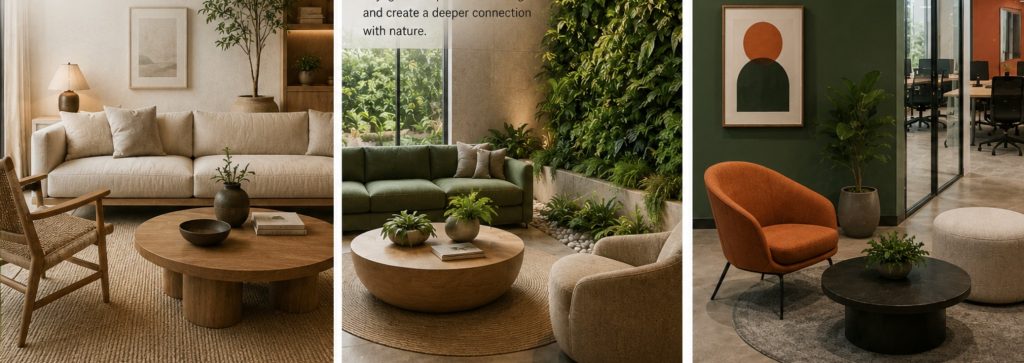
A fusion of Japanese minimalism and Scandinavian warmth — the most requested premium residential style in Dhaka’s current market. Governing philosophy: every object earns its place through function or genuine beauty. Materials: natural timber, linen, ceramics, rattan, plaster. Palette: warm whites, cream, warm timber tones, occasional muted greens. Lighting: warm, layered, with pendants and table lamps rather than central overhead fixtures.
Suits: Design-conscious clients who value calm and quality; apartments with good natural light; clients making a 10-year investment rather than a 3-year one. Cost: Mid to premium — the quality of individual pieces matters more than their quantity. Maintenance: High tolerance for tidiness required — Japandi spaces look their best when kept clear.
Contemporary Minimalist
Clean lines, neutral palette, quality materials, no visual noise, no unnecessary objects. Different from Japandi in that it tends toward cooler tones and more architectural rigour rather than organic warmth. Requires abundant, well-designed storage — minimalism without storage is simply untidiness with nowhere to put the clutter.
Suits: Professionals and couples without children; spaces with strong architecture worth celebrating; clients who value precision over warmth. Cost: Budget to premium — but quality of materials is visible, and synthetic minimalism ages poorly. Maintenance: Demanding — every surface and object is visible.
Warm Modern / Contemporary Warm
Modern proportions and clean lines softened by warm colours (terracotta, rust, ochre, sage), tactile materials (boucle, rattan, textured plaster), and layered lighting. The most commercially popular contemporary style in Bangladesh’s residential and hospitality market. It photographs well, ages gracefully, and is accessible at a wide range of price points.
Suits: Almost everyone — families, professionals, couples, hospitality clients. The versatility of warm modern is its greatest strength. Cost: Budget to premium. Maintenance: Forgiving — the layered quality of warm modern means that imperfect tidiness reads as “lived-in” rather than “untidy”.
Industrial
Exposed brick, concrete, metal conduit, reclaimed timber, Edison lighting, dark palette. Celebrates the raw, unfinished quality of industrial buildings — authentically executed, it has enormous character and visual richness. In Bangladesh, industrial design works particularly well in restaurant, cafe, and creative office contexts where the aesthetic reinforces the brand’s personality.
Suits: Restaurants, cafes, creative offices, studios; clients with a strong design identity and confidence in non-conventional aesthetics. Cost: Mid-range — the raw aesthetic does not require expensive materials, but skilled execution is essential. Maintenance: High tolerance — industrial spaces look better with wear.
Classic / Traditional
Rich timber tones, ornate lighting, deep upholstery, patterned rugs, layered curtains, framed art. Communicates permanence, heritage, and cultural authority. In Bangladesh, the classical vocabulary has particular resonance — connecting to Mughal and colonial-era architectural traditions that are part of the country’s built heritage.
Suits: Established families, formal reception rooms, luxury residential; organisations that project authority and permanence. Cost: Mid to luxury — quality materials are non-negotiable. Maintenance: High — the richness of classic interiors is sensitive to visible disorder.
Biophilic
Nature as the primary design language — living plants, natural materials, organic forms, nature-derived colours. Bangladesh’s tropical climate makes biophilic design particularly accessible: plants thrive with minimal effort, local natural materials are abundant, and the design philosophy resonates with a culture deeply connected to one of the world’s most biodiverse landscapes.
Suits: Environmentally conscious clients; hospitality and wellness environments; anyone seeking genuine calm. Cost: Budget to premium. Maintenance: Plants require care — biophilic design is not maintenance-free, but the maintenance is rewarding.
Modern Corporate
The dominant style for premium commercial offices in Bangladesh — clean, professional, white-or-neutral primary palette with brand colour accents, quality materials signalling precision and capability. Glass partitions, geometric lighting, ergonomic furniture, artwork that communicates brand values without personal decoration. The style is not exciting, but it is credible, universally legible, and appropriate for the widest range of professional contexts.
Suits: Any professional services, corporate, financial, or institutional organisation. Cost: Mid to premium. Maintenance: High — corporate interiors are judged on their cleanliness and precision.
Transitional
A deliberate blend of contemporary and traditional — modern proportions with classical details; clean lines with rich materials; neutral palette with warmer accents. The most versatile and risk-averse design approach for clients who want neither the austerity of pure minimalism nor the formality of pure classical. Accounts for a significant proportion of Bangladesh’s mid-to-premium residential market.
Suits: Clients who cannot commit fully to one direction; mixed households with different aesthetic preferences; spaces that must serve multiple functions and audiences. Cost: Mid to premium.
Which Style Is Right for You?
| Your Priority | Recommended Style |
|---|---|
| Calm and natural materials | Japandi |
| Maximum space efficiency | Contemporary Minimalist |
| Warmth and liveable comfort | Warm Modern |
| Brand personality and character | Industrial or Eclectic |
| Permanence and authority | Classic / Traditional |
| Connection to nature | Biophilic |
| Professional credibility | Modern Corporate |
| Broadly accessible, low risk | Transitional |
Related: Interior Design Trends 2025 | How to Choose an Interior Designer | Residential Interior Design Guide | Living Room Design Dhaka | Office Interior Design Guide
Not sure which style is right for your project? Contact House De Arch — we help clients find the aesthetic that genuinely suits how they live or work.