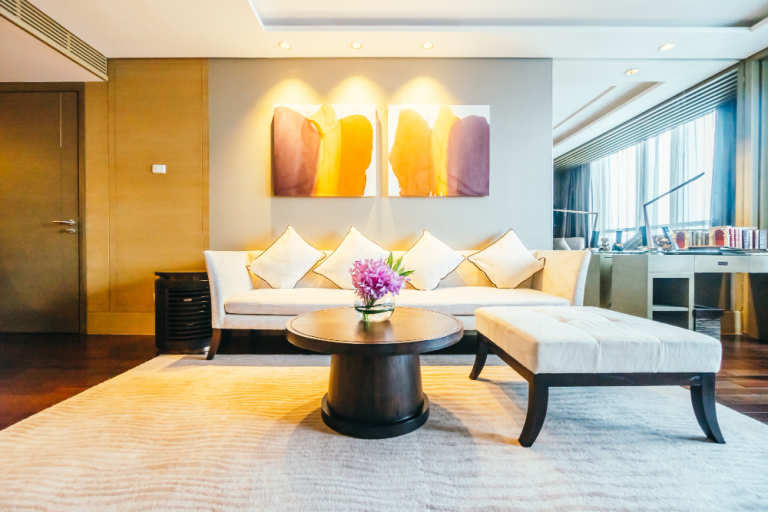
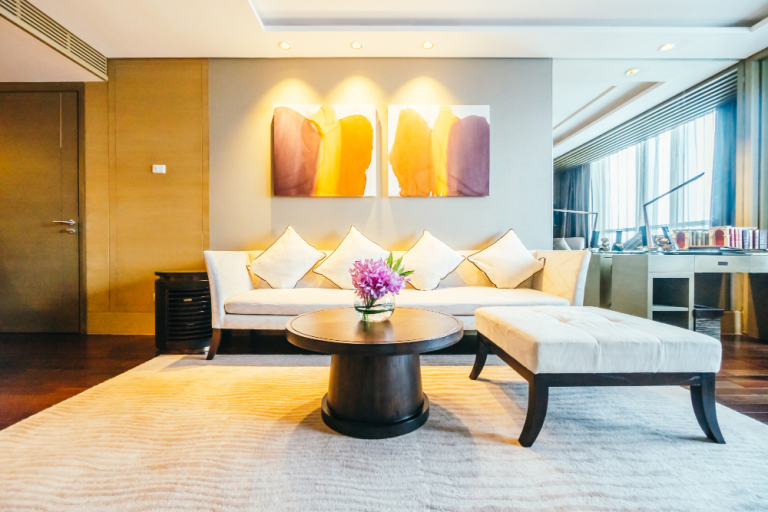
Bangladesh’s hospitality sector is growing rapidly — driven by expanding business tourism, a growing domestic leisure market, and significant investment in both international brand hotels and independent boutique properties. Hotel interior design in Bangladesh occupies a unique position: it must meet the expectations of internationally travelled guests, comply with brand standards where applicable, perform under intensive daily use, and deliver a distinctly local experience that justifies the visit. This guide covers the full scope of hotel interior design across the three primary zones where design has the greatest guest impact.
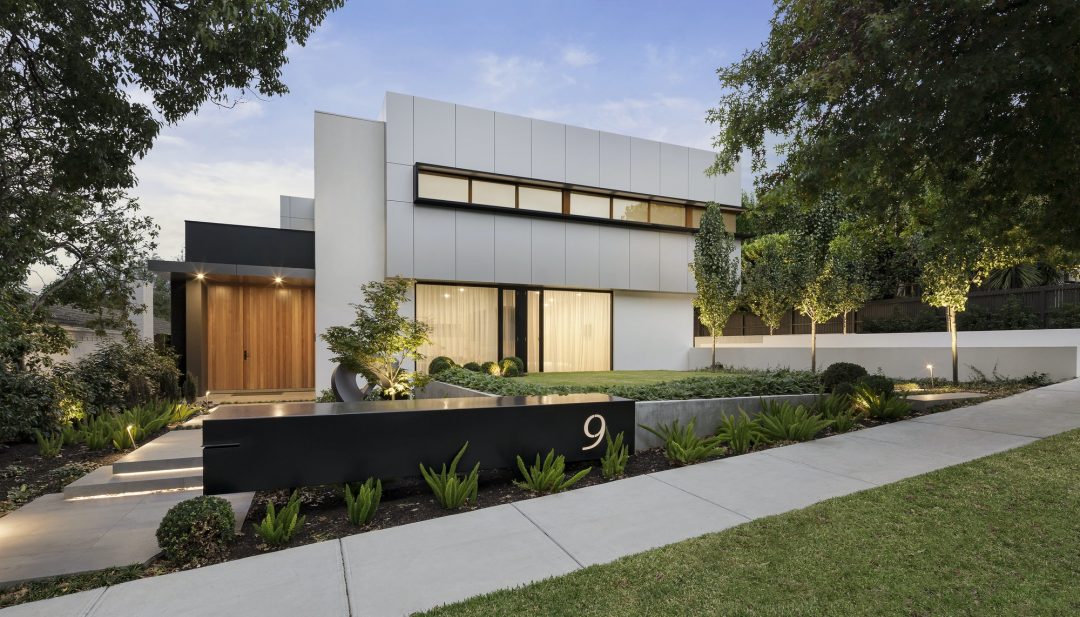
The Hotel Lobby: Where the Guest Relationship Begins
The hotel lobby is the most complex interior design challenge in the hospitality sector. It must function simultaneously as an arrival and departure hall, a brand communication space, a social gathering area, a working environment for the reception team, and increasingly — in the era of lobby bars and co-working — a revenue-generating destination in its own right.
Arrival Sequence
The best hotel lobbies are designed as arrival sequences, not arrival destinations. The experience begins at the building entrance — the porte-cochère or covered drop-off — and unfolds as the guest moves through the lobby toward check-in and then to their room. Each stage of this sequence should deliver a progressive revelation: first impression at the door, the full lobby composition as the guest enters, the check-in interaction at the desk, and the transition to the lift or staircase toward the room.
In Bangladesh’s hotel market, the arrival sequence is particularly important because many guests arrive after long journeys in Dhaka’s traffic — the lobby needs to immediately communicate relief, comfort, and quality. The transition from the street environment to the hotel interior is one of the most significant experiential contrasts in urban Bangladesh, and the lobby design should make the most of it.
Lobby Scale and Proportion
Double-height or high-ceiling lobbies communicate grandeur and arrival; lower ceilings create intimacy appropriate for boutique properties. The most successful Dhaka hotel lobbies use ceiling height strategically — high over the entry and social zones, lower and warmer over the lounge and bar areas — creating a spatial journey from the monumental to the intimate as guests move deeper into the space.
Lobby Social Zones
The lobby has evolved from a transactional space (check in, get key, leave) to a social destination. Premium hotels in Dhaka increasingly design their lobbies as destinations — lobby bars, co-working areas, coffee stations, and informal seating arrangements that encourage guests to inhabit the lobby rather than pass through it. This has significant revenue implications: guests who spend time in the lobby spend money in the lobby.
Guestroom Design: Comfort, Function and Repeat Visits
The guestroom is where hotel design has the most direct impact on the metric that matters most: repeat bookings. A guest who sleeps well, navigates the room easily, and finds the bathroom genuinely enjoyable will return. A guest who fights with the curtain blackout system, cannot find the light switches, and has a cramped bathroom will not.
Room Layout Principles
- Clear circulation: Minimum 90cm beside both sides of the bed; 90cm between the foot of the bed and any furniture opposite. Rooms that require guests to sidle past furniture are perceived as smaller than they are.
- Desk and work zone: A properly designed desk — at the right height, with adequate task lighting, a power socket within reach, and a comfortable chair — is the most consistently under-delivered element in Bangladeshi hotels. Business travellers prioritise this above almost any other room feature.
- Wardrobe and storage: Sufficient hanging space (minimum 90cm for a 2-night stay), a luggage rack or surface, and drawer storage. Open storage designs (no doors on the wardrobe zone) feel generous and are easier to use than closed systems.
- Lighting control: Bedside master switch controlling all room lights; separate circuits for bathroom, desk, ambient, and bedside reading. The ability to control everything from the bed without getting up is a non-negotiable quality signal.
The Bathroom: Where Perceptions Are Made or Lost
More hotel reviews reference the bathroom than any other single room element. A bathroom that is spacious, well-lit, impeccably maintained, and genuinely enjoyable to use — with a good shower, quality fixtures, and warm lighting at mirror height — generates positive reviews and repeat bookings. A cramped, poorly lit bathroom with inadequate hot water pressure does the opposite, regardless of how good the rest of the hotel is.
For Bangladeshi hotel development, two bathroom decisions have the highest return on investment: a rainfall shower (the single most commented-on premium bathroom feature in guest reviews) and warm mirror lighting (flattering light at face height that makes guests feel good about themselves — a psychologically powerful hospitality tool).
Soft Furnishings and Material Durability
Hotel guestroom materials must survive intensive daily use, frequent cleaning with industrial products, and the full range of guest behaviour. Commercial-grade carpet, contract upholstery fabrics (rated for 100,000+ rub cycles), moisture-resistant bathroom surfaces, and robust joinery finishes are baseline requirements — not premium options. Specifying residential-grade materials in a hotel context is a false economy that produces rapid deterioration and expensive early replacement.
Food and Beverage Spaces: Revenue and Reputation
A hotel’s F&B offering — its restaurant, bar, breakfast room, and any specialty dining outlets — contributes disproportionately to its reputation. In Bangladesh’s hotel market, where dining out is culturally central and restaurant quality is a primary metric of hotel status, F&B design deserves investment at least equivalent to the guestroom standard.
The breakfast room is the most consistently used F&B space in any hotel — every staying guest encounters it, many every day. It must work efficiently for high-volume buffet service, feel welcoming at both the early morning and late breakfast periods, and communicate the same quality standard as the rest of the hotel. Hotels that invest in the lobby and guestrooms but treat the breakfast room as a functional afterthought are making a significant brand error that guests notice and comment on.
Brand Standards: International vs Independent
International branded hotels (Marriott, Hilton, IHG, and their brands) operate with detailed design standards documents that specify everything from room dimensions and furniture specifications to lighting levels and art procurement. Working within these standards requires a designer who understands the documentation system and has experience navigating the brand approval process — submitting design packages, responding to review comments, and managing the timeline implications of approval cycles.
Independent boutique hotels have no such constraints — and the freedom this provides is one of their most significant competitive advantages. A well-designed independent hotel can express a genuine personality and local identity that international brands, bound by global consistency requirements, cannot match. Bangladesh’s growing boutique hotel sector represents one of the most exciting design opportunities in the country’s hospitality market.
Hotel Interior Design Cost — Bangladesh 2025
| Hotel Category | Guestroom Cost per Key | Lobby / F&B per Sq Ft |
|---|---|---|
| Budget / 3-star | ৳8L–৳15L | ৳2,000–৳3,500 |
| Mid-range / 4-star | ৳15L–৳30L | ৳3,500–৳6,000 |
| Premium / 5-star | ৳30L–৳60L | ৳6,000–৳12,000 |
| Boutique luxury | ৳50L–৳120L+ | ৳8,000–৳18,000+ |
Frequently Asked Questions
What is the most important single investment in hotel design?
The bed and bedding. No design decision has more impact on the guest’s core experience than sleep quality — and nothing communicates sleep quality more immediately than the visual and tactile quality of the bed. A premium mattress, quality linens (400+ thread count minimum for any property above budget), properly sized pillows, and effective blackout curtains deliver the return on investment that every other design element supports.
How do we design for the Bangladesh climate in hotel rooms?
Air conditioning must be individually controllable by guests, silent in operation, and capable of meaningful cooling from the moment the guest enters the room. Bathroom ventilation must prevent humidity accumulation. Blackout curtains must fully seal against Dhaka’s intense morning light without a gap at the centre. These climate-specific requirements are functional non-negotiables that guest reviews will reference if they fail.
Should a boutique hotel in Bangladesh try to look international or local?
Local — authentically and confidently. The most compelling boutique hotel proposition for both international visitors and design-conscious domestic guests is a genuinely Bangladeshi experience: local crafts, local materials, local art, local food. A boutique hotel that could be anywhere competes with international brands on their terms and loses. A boutique hotel that could only be Bangladesh wins on its own terms.
Related: Restaurant Interior Design Guide | Fine Dining Restaurant Design | Restaurant Lighting Design | Interior Design Cost Guide | EPC Integrated Delivery
Planning a hotel project in Bangladesh? Contact House De Arch — we design hospitality environments that guests remember and return to.