Why Most Restaurant Furniture Fails Within 2 Years in Bangladesh
Walk into any Dhaka restaurant that’s been operating for 18-24 months and you’ll see the damage: wobbly chairs with loose joints, laminate tables with swollen edges, metal frames rusted at the welds, upholstery that’s cracked or stained beyond recovery. The restaurant furniture Bangladesh market is flooded with pieces designed for temperate climates or showroom aesthetics—not the operational realities of 80-90% humidity, daily temperature swings of 10-15°C, and the mechanical stress of 200+ daily turnovers in a mid-volume establishment.
At House De Arch, we’ve designed over 30 restaurant interiors across Dhaka, Chattogram and Cox’s Bazar, and the single biggest avoidable operational cost we see is premature furniture replacement. Restaurant owners typically budget BDT 3,00,000–12,00,000 for initial furniture procurement (depending on capacity and positioning), then face another 40-60% of that spend within 24 months when chairs collapse, tables delaminate, or the aesthetic deteriorates to the point that it damages brand perception.
This article provides the material specifications, construction details, supplier evaluation criteria, and Bangladesh-specific cost benchmarks you need to select restaurant furniture Bangladesh setups that genuinely last 5+ years under operational conditions—not just in a climate-controlled showroom.
Understanding Dhaka’s Climate Impact on Restaurant Seating and Tables
Bangladesh’s tropical monsoon climate imposes three specific stresses that most imported or generic furniture cannot withstand:
- Humidity cycling (65-95% RH): During monsoon months (June–September), relative humidity regularly exceeds 85%. Even with HVAC, indoor RH in most Dhaka restaurants stays above 70%. Wood absorbs moisture, causing joints to swell and loosen; MDF and particleboard cores delaminate; adhesives weaken; metal fasteners corrode.
- Temperature differential stress: A 10-15°C swing between air-conditioned interiors (22-24°C) and outdoor delivery/kitchen zones (32-38°C) causes expansion-contraction cycles. Laminate edges lift, veneer cracks, and poorly seasoned timber warps.
- Condensation and contact moisture: Cold beverages produce surface condensation. Incomplete table-wiping leaves standing water. Without proper edge sealing and moisture-resistant cores, this penetrates laminate seams within 6-8 months, causing the characteristic edge swelling you see in most restaurant tables Dhaka establishments.
Add mechanical stress—chairs dragged across floors 40-60 times daily, tables bumped by service staff and patrons—and you understand why furniture specs matter more than aesthetics in commercial settings.
Material Specification for Restaurant Seating Dhaka: What Works Beyond 24 Months
When specifying restaurant seating Dhaka installations, the frame material and joinery method determine longevity far more than cushion comfort or finish color. Here’s what survives operational reality:
Chair and Booth Frame Materials:
- Kiln-dried hardwood with mortise-tenon joinery (preferred): Frames in kiln-dried shegun (teak), mahogany, or imported beech, assembled with traditional mortise-tenon joints reinforced with modern adhesives and corner blocks. Cost: BDT 8,000–18,000 per chair depending on complexity. Lifespan: 7-10 years with proper maintenance.
- Powder-coated mild steel tube (budget-friendly alternative): 25mm × 25mm or thicker MS tube, fully welded (no bolted joints that loosen), hot-dip galvanized before powder coating. Cost: BDT 4,500–9,000 per chair. Lifespan: 5-7 years if coating remains intact; inspect welds annually for rust.
- Avoid: Rubberwood with dowel joinery, non-galvanized painted steel, any solid wood that isn’t kiln-dried to 8-12% moisture content. Rubberwood is hygroscopic and unstable in Bangladesh humidity. Dowel joints loosen within 12-18 months under commercial use.
Upholstery and Cushioning:
- Vinyl-coated fabric or full-grain leather (not bonded/split leather): Bonded leather—common in budget commercial furniture Bangladesh offerings—delaminates in 12-16 months under humidity. Specify vinyl with antimicrobial treatment or full-grain leather with protective coating.
- High-density foam (35-40 kg/m³ density minimum): Standard 20-25 kg/m³ foam compresses to 50% thickness within 8-12 months. Specify 35+ kg/m³ with fabric backing to prevent moisture absorption.
- Removable covers with hidden zippers: Enables periodic deep cleaning and extends upholstery life by 40-60%. Cost addition: BDT 800–1,200 per chair but pays for itself in avoided reupholstery.
Restaurant Tables Dhaka: Edge Sealing, Core Materials, and Surface Specifications
Table failure modes in Bangladesh are predictable and avoidable with correct specification:
Tabletop Core and Surface:
- Marine-grade plywood (18mm minimum) with HPL laminate: BWR or BWP-grade plywood (boiling water resistant/proof) with high-pressure laminate (HPL) on both faces to prevent warping. Edges must be sealed with 2mm PVC or solid wood lipping, glued and mechanically fastened. Cost: BDT 8,500–14,000 per m² fabricated and finished.
- Solid surface materials (Corian, local equivalents): Non-porous, repairable, excellent for high-end concepts. Cost: BDT 18,000–28,000 per m² installed. Lifespan: 10+ years with periodic buffing.
- Solid hardwood (teak, mahogany) with proper finishing: Must be kiln-dried, finished with polyurethane or marine varnish (4-6 coats), recoated every 18-24 months. Cost: BDT 12,000–22,000 per m² depending on species and thickness. Develops patina that some concepts desire.
- Avoid: MDF or particleboard cores (even if laminated), any laminate without full edge sealing, glass tops without beveled and polished edges. MDF swells catastrophically when moisture penetrates. Glass edges chip under commercial use unless properly finished—and glass replacement cost (BDT 4,500–8,000 per m² for 10-12mm tempered) plus downtime makes it uneconomical.
Table Base and Frame:
- Cast iron with powder-coated finish (for pedestal bases): Provides stability without floor-bolting. Minimum 18-25 kg for standard 600-750mm diameter tops. Cost: BDT 6,500–11,000 per base.
- Welded steel frame (for rectangular/communal tables): 40mm × 40mm or larger MS tube, fully welded, galvanized and powder-coated. Include adjustable feet (±15mm range) to accommodate floor irregularities common in Dhaka construction. Cost: BDT 4,000–7,500 per linear meter of table.
Fixture and Millwork: Host Stands, Service Stations, and Bar Counters
Fixed millwork in restaurant interior design in Dhaka projects must integrate with MEP systems while surviving the same humidity and temperature stresses as furniture:
Host Stands and Reception Counters:
- BWR plywood carcass with HPL or veneer finish, sealed edges, ventilated back panel to prevent moisture trapping against walls. Integrated task lighting (LED strips, 12-24V) with concealed wiring. Cost: BDT 35,000–65,000 per linear meter depending on finish and integration complexity.
- Include storage for menus, reservation systems, and POS equipment with cable management—clutter undermines perceived quality regardless of design aesthetic.
Service Stations (Server Stations):
- Stainless steel (grade 304 minimum) or marine plywood with stainless steel countertop. Must include under-counter storage, waste bin access, and handwashing if BSTI/health department inspected. Cost: BDT 45,000–85,000 per station fully equipped.
- Position away from customer sightlines but within 4-6 meters of table clusters to minimize service time and staff fatigue.
Bar Counters and Back Bars:
- Refrigerated under-counter units require coordination with HVAC drainage and electrical load calculations per BNBC. Counter height: 1,050-1,100mm (bar height) or 900-950mm (dining height) depending on concept.
- Back bar shelving: tempered glass (10-12mm) on stainless steel or powder-coated brackets, LED accent lighting (RGB or warm white 2700-3000K). Include seismic restraint clips—Dhaka isn’t seismically active, but accidental impact from staff or patrons is common. Cost for full bar setup (3-4 linear meters): BDT 2,50,000–5,50,000 depending on refrigeration and finishes.
Evaluating Restaurant Furniture Suppliers Bangladesh: Due Diligence Checklist
The restaurant furniture suppliers Bangladesh market includes importers, local fabricators, and hybrid operations. Quality and reliability vary dramatically. Use this checklist during procurement:
Supplier Assessment Criteria:
- Request material certifications: Ask for plywood grade certificates (BWR/BWP), powder coating thickness reports (minimum 60-80 microns), foam density specifications. Legitimate suppliers provide these; others deflect or provide vague assurances.
- Inspect previous installations: Visit 2-3 operating restaurants they’ve furnished, ideally 18-24+ months post-installation. Check chair joints (wobble test), table edges (swelling, delamination), upholstery condition. Speak with restaurant managers about warranty claims and supplier responsiveness.
- Warranty terms (and enforceability): Standard warranties range 12-24 months, but enforceability matters more than stated duration. Request warranty claim procedure in writing, including response timeline and replacement/repair protocol. Suppliers without physical showrooms or workshop addresses often disappear when claims arise.
- Lead times and delivery reliability: Typical lead times: 4-8 weeks for custom fabrication, 2-4 weeks for stock items. Delays of 2-4 weeks beyond quoted dates are common; plan accordingly or negotiate penalty clauses (rare but possible for large orders 50+ units).
- After-sales service and maintenance: Does the supplier offer re-upholstery, refinishing, or frame repair services? Cost for re-upholstering a dining chair: BDT 1,800–3,500 depending on fabric. Refinishing a laminate tabletop: BDT 2,200–4,000 per m². Local suppliers with workshop facilities typically provide these; pure importers do not.
Cost Benchmarks for Complete Restaurant Furniture Packages (Bangladesh):
- Budget tier (50-seat casual dining): BDT 4,00,000–6,50,000 total (chairs, tables, host stand, basic millwork). Powder-coated steel chairs, HPL laminate tables, minimal custom millwork.
- Mid-tier (50-seat casual/fine dining): BDT 7,50,000–12,00,000 total. Mix of hardwood and steel seating, marine plywood tables with solid edge banding, custom host stand and service stations.
- Premium tier (50-seat fine dining/hotel restaurant): BDT 15,00,000–25,00,000+ total. Full hardwood or upholstered seating, solid surface or hardwood tables, extensive millwork including bar, wine storage, display elements.
These figures exclude kitchen equipment, HVAC, lighting, and AV systems—furniture and millwork typically represent 15-25% of total interior fit-out cost in our restaurant interior design in Dhaka projects.
Maintenance Protocols That Extend Furniture Lifespan to 7-10 Years
Even correctly specified durable restaurant furniture requires systematic maintenance to achieve 5+ year operational life:
Daily Protocols:
- Wipe tables dry after each cleaning—don’t leave standing water. Use microfiber cloths (better moisture absorption than cotton) and inspect edges weekly for early signs of laminate lifting.
- Tighten chair joints monthly: Check and re-tighten visible bolts/screws. Mortise-tenon joints don’t require this, but any bolted or screwed assembly loosens under vibration and use.
- Inspect upholstery weekly for tears, stains, or seam separation. Address immediately—a BDT 500 repair escalates to BDT 3,000+ reupholstery if ignored for 2-3 months.
Quarterly Protocols:
- Deep-clean upholstery with appropriate cleaner for material type (pH-neutral for leather, upholstery shampoo for fabric). Cost for professional service: BDT 150–300 per chair.
- Re-oil or re-varnish wood surfaces as needed (typically every 4-6 months for tabletops under heavy use). Cost for DIY: BDT 800–1,500 per table in materials; professional refinishing: BDT 2,500–5,000 per table.
- Inspect metal frames for rust, especially at welds and floor contact points. Touch up powder coating with matching paint (cost: BDT 200-400 per unit). Unaddressed rust spreads and requires full frame replacement within 12-18 months.
Annual Protocols:
- Professional inspection and refurbishment: Budget BDT 25,000–50,000 annually (for 50-seat setup) for tightening, re-gluing, minor repairs, and refinishing. This extends furniture life by 3-5 years and costs 10-15% of full replacement.
- Rotate seating if some areas see higher traffic. Swapping chairs between high-use (near entrance, by windows) and low-use zones (corners, back sections) evening out wear and extends overall fleet life.
When Custom Fabrication Makes Financial Sense vs. Off-the-Shelf Solutions
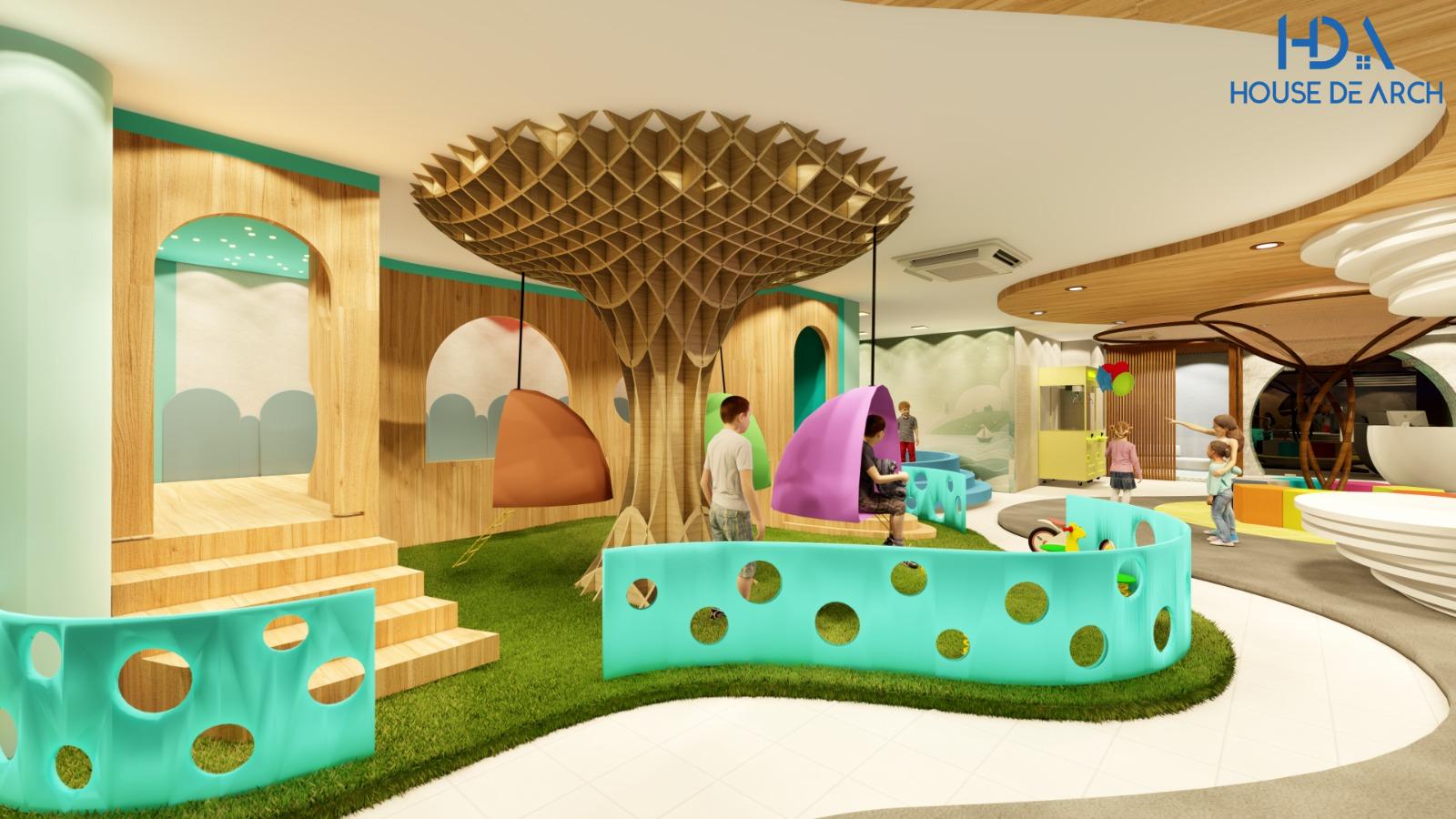
The decision between custom fabrication and catalog/showroom furniture depends on three factors: scale, brand positioning, and space constraints.
Choose Custom Fabrication When:
- Space has non-standard dimensions or layout constraints: Dhaka’s restaurant spaces often occupy converted residential buildings, narrow shopfronts, or awkward floor plates. Custom tables and banquettes maximize seating density and flow. In a recent commercial project, custom banquettes increased capacity by 18% (62 vs. 52 seats) in the same 185 m² footprint vs. standard furniture.
- Brand requires specific aesthetic or material not available off-shelf: Signature design elements, branded colors, or material palettes (e.g., reclaimed wood, terrazzo, brass detailing) require fabrication. Cost premium: 25-40% over comparable off-shelf, but essential for differentiated concepts.
- Volume exceeds 40-50 units: At scale, custom fabrication cost-per-unit approaches off-shelf pricing, especially if you control material sourcing. For a 120-seat restaurant, custom fabrication saved approximately 15% vs. mid-tier off-shelf while delivering exact specifications.
Choose Off-the-Shelf When:
- Timeline is compressed (< 6 weeks to opening): Custom lead times (6-10 weeks) don’t fit. Reliable off-shelf suppliers can deliver within 2-3 weeks.
- Concept is budget-tier or fast-casual: Customers don’t expect bespoke furniture; durability and cleanliness matter more than uniqueness.
- You lack experienced project management: Custom fabrication requires oversight—material verification, quality control at workshop, installation coordination. Without experience (in-house or via a firm like HDA’s project management service), risks of delays, errors, and cost overruns increase significantly.
How HDA Approaches Restaurant Furniture Specification in Commercial Interior Projects
At House De Arch, furniture specification is integrated with the overall restaurant interior design in Dhaka process, not an afterthought or separate procurement task. Our approach:
1. Operational Analysis Before Aesthetic Development:
We begin with service flow mapping, peak capacity projections, and turnover targets. A table that blocks server paths or a chair that doesn’t slide under the table properly degrades service speed and staff efficiency—no amount of aesthetic appeal compensates. Furniture layout directly impacts labor cost per cover and table turnover rate.
2. Material and Vendor Auditing:
We maintain a qualified vendor database of 15-20 furniture fabricators and suppliers we’ve audited personally—workshop visits, material testing, reference checks with previous clients. For projects, we typically bid to 3-4 vendors from this list, evaluate on cost + quality + reliability (not cost alone), and provide clients with comparative analysis and recommendation.
3. Prototyping and Mock-ups:
For custom furniture orders >30 units or critical pieces (signature chairs, central communal tables), we require 1-2 prototype units fabricated and delivered to our studio or the project site. We test for stability, comfort, finish quality, and assembly precision before authorizing full production. This adds 2-3 weeks to timeline but prevents costly errors at scale.
4. Installation Coordination and Quality Control:
We’re on-site during furniture installation to verify placement per layout drawings, check for damage during transport, and ensure all adjustable components (feet, backs, hinges) function correctly. We document any defects immediately and manage warranty claims on behalf of clients—suppliers are more responsive when claims come from a repeat-business design firm than from a one-time restaurant owner.
5. Maintenance Training for Operations Staff:
We provide restaurant managers with a maintenance protocol document (daily/weekly/monthly/annual tasks) and conduct a 1-2 hour training session covering inspection, cleaning methods, and early problem identification. This single intervention typically extends furniture life by 18-30 months at minimal cost.
If you’re planning a new restaurant or renovating an existing space and want furniture that actually survives Bangladesh’s operational realities, our consultancy service can provide vendor recommendations, specification review, and procurement oversight even if we’re not designing the full interior. Cost for furniture specification consultancy: typically BDT 50,000–1,20,000 depending on scope and project scale—usually 8-12% of what we save clients by preventing poor procurement decisions and premature replacement costs.
Common Mistakes Restaurant Owners Make (And How to Avoid Them)
After 30+ restaurant projects, we see the same avoidable errors repeatedly:
Mistake 1: Prioritizing Showroom Aesthetics Over Operational Durability
A chair that photographs beautifully but wobbles after 200 hours of use is a liability, not an asset. Always request operational references (restaurants actually using the furniture for 12+ months) and conduct physical inspections. Beautiful but fragile furniture damages brand reputation when guests experience instability or discomfort.
Mistake 2: Buying Furniture Before Finalizing MEP and Lighting
Furniture placement affects electrical outlet locations, HVAC duct routing, and lighting fixture positions. Finalizing furniture before MEP design is locked causes costly rework or compromised layouts. Sequence correctly: space planning → MEP coordination → furniture specification → procurement.
Mistake 3: Underestimating Lead Times and Storage Costs
Ordering furniture too early (>4 weeks before installation date) creates storage problems and damage risk; too late causes opening delays. Ideal timeline: finalize specs 10-12 weeks before opening, place orders 8-10 weeks out, delivery and installation 1-2 weeks before opening. Early delivery incurs storage costs (BDT 8,000–15,000 per month for 50-seat setup) and handling damage risk.
Mistake 4: No Contingency for Breakage and Spare Parts
Order 5-10% extra chairs (typically 3-5 units for 50-seat restaurant) as spares for immediate replacement when breakage occurs—and it will occur. Reordering single units later often isn’t possible (discontinued models, long lead times, high per-unit cost). Spare chairs cost BDT 20,000-40,000 upfront but prevent service disruptions worth far more in lost revenue and reputation damage.
Mistake 5: Ignoring Total Cost of Ownership
A BDT 4,000 chair that requires replacement in 18 months costs more over 5 years than an BDT 9,000 chair that lasts 6-7 years. Calculate cost per year of service, not just upfront cost. Factor in maintenance, refinishing, reupholstery, and replacement costs. Over 5 years, properly specified durable restaurant furniture typically costs 30-50% less in total ownership cost despite higher purchase price.
Final Cost-Benefit Analysis: Investment vs. Replacement Scenarios
Let’s compare two realistic scenarios for a 50-seat restaurant in Dhaka over 5 years:
Scenario A: Budget procurement approach
- Initial investment: BDT 4,50,000 (chairs at BDT 4,500 each, tables at BDT 6,500/m², minimal millwork)
- Replacement at 24 months (40% of furniture): BDT 1,80,000
- Replacement at 48 months (another 30%): BDT 1,35,000
- Maintenance and repairs (ad hoc, reactive): BDT 60,000 over 5 years
- Total 5-year cost: BDT 8,25,000
Scenario B: Specification-driven approach (HDA methodology)
- Initial investment: BDT 7,80,000 (chairs at BDT 9,500 each, tables at BDT 11,000/m², proper millwork)
- Systematic maintenance (quarterly/annual): BDT 1,50,000 over 5 years
- Selective replacement (10-15% due to accidents, not wear): BDT 90,000
- Total 5-year cost: BDT 10,20,000
Net difference: BDT 1,95,000 additional investment (24% more)
But consider the operational benefits of Scenario B:
- Zero unplanned downtime or emergency procurement under deadline pressure
- Consistent aesthetic and guest experience (no mismatched replacement furniture)
- Higher perceived quality supports 8-12% price premium (validated in our client venues)
- Lower staff injury risk (fewer wobbly chairs, sharp edges, broken parts)
- Easier to sell business or refinance—banks and buyers value well-maintained assets
For most restaurant concepts above fast-casual positioning, Scenario B delivers better financial returns even before considering intangible benefits (brand consistency, operational reliability, staff and customer satisfaction).
FAQ
What is the average lifespan of restaurant furniture in Dhaka’s climate?
With proper specification—kiln-dried hardwood or powder-coated galvanized steel frames, marine-grade plywood with HPL laminate, and high-density upholstery foam—restaurant furniture in Dhaka typically lasts 5-7 years under normal commercial use. Budget furniture with non-moisture-resistant materials often fails within 18-24 months due to humidity, temperature cycling, and mechanical stress. Systematic maintenance (monthly inspections, quarterly deep cleaning, annual refurbishment) can extend lifespan to 8-10 years.
How much should I budget for restaurant furniture for a 50-seat restaurant in Bangladesh?
Budget tier: BDT 4,00,000–6,50,000 (powder-coated steel seating, HPL tables, basic millwork). Mid-tier: BDT 7,50,000–12,00,000 (hardwood or quality steel seating, marine plywood tables, custom millwork). Premium tier: BDT 15,00,000–25,00,000+ (full hardwood seating, solid surface tables, extensive millwork). These figures cover seating, tables, host stand, and service stations, but exclude kitchen equipment, HVAC, and lighting. Furniture typically represents 15-25% of total restaurant interior fit-out cost.
What are the best materials for restaurant tables that resist humidity in Bangladesh?
Marine-grade plywood (BWR or BWP grade, minimum 18mm) with HPL laminate on both faces and sealed edges (2mm PVC or solid wood lipping) is the most cost-effective solution (BDT 8,500–14,000 per m²). Solid surface materials like Corian (BDT 18,000–28,000 per m²) offer superior moisture resistance and repairability. Solid hardwood (teak, mahogany) works if kiln-dried and finished with marine varnish, requiring recoating every 18-24 months. Avoid MDF, particleboard, and any laminate without complete edge sealing—moisture penetration causes catastrophic swelling in Bangladesh’s climate.
Should I buy custom or off-the-shelf restaurant furniture in Dhaka?
Choose custom fabrication when: (1) your space has non-standard dimensions requiring optimized layouts, (2) brand positioning requires specific aesthetics or materials not available off-shelf, or (3) volume exceeds 40-50 units where custom unit costs approach off-shelf pricing. Choose off-the-shelf when: (1) timeline is compressed (<6 weeks), (2) concept is budget/fast-casual where uniqueness is less critical, or (3) you lack project management experience to oversee custom fabrication. Custom typically costs 25-40% more but delivers exact specifications and can increase seating capacity by 15-20% in constrained spaces.
How do I evaluate restaurant furniture suppliers in Bangladesh?
Request material certifications (plywood grade, powder coating thickness, foam density specs). Visit 2-3 operating restaurants they’ve furnished at 18-24+ months post-installation to inspect real-world durability. Review warranty terms in writing, including claim procedure and response timeline. Verify lead times (typically 4-8 weeks custom, 2-4 weeks stock) and past delivery reliability. Confirm after-sales capabilities—local fabricators with workshops typically offer reupholstery (BDT 1,800–3,500 per chair) and refinishing (BDT 2,200–4,000 per m²); importers often don’t. Suppliers with physical showrooms and workshop addresses are more likely to honor warranties than pure traders.
What maintenance is required to make restaurant furniture last 5+ years in Bangladesh?
Daily: wipe tables completely dry after cleaning to prevent edge swelling; inspect upholstery for damage. Monthly: tighten chair joints and check for loose bolts/screws. Quarterly: deep-clean upholstery (professional service costs BDT 150–300 per chair); re-oil or re-varnish wood surfaces as needed. Annually: professional inspection and refurbishment (budget BDT 25,000–50,000 for 50-seat setup); rotate seating between high-traffic and low-traffic areas; inspect metal frames for rust and touch up powder coating. This systematic approach extends furniture life by 3-5 years and costs 10-15% of full replacement.