Why Hotel Interior Design Requires Specialized Expertise in Bangladesh’s Hospitality Market
Hotel room interior design in Bangladesh differs fundamentally from residential or even restaurant interior design work. The hospitality sector demands a unique balance: creating memorable guest experiences while maintaining operational efficiency, durability under heavy use, and compliance with fire safety regulations that RAJUK now enforces more strictly for commercial lodging facilities in Dhaka, Chattogram, and Cox’s Bazar.
Between 2024-2026, Bangladesh’s hotel sector has seen occupancy rates recover to 68-72% in Dhaka’s business districts and 75-85% seasonally in Cox’s Bazar, according to Bangladesh Hotel Association data. This recovery has pushed property owners to renovate aging properties and developers to launch boutique concepts that compete on design quality, not just location and price.
The commercial reality: guest review platforms (Booking.com, Agoda, TripAdvisor) now account for 60-70% of bookings for independent hotels. Interior design directly impacts ratings. A half-star improvement in guest ratings typically increases bookings by 12-15% and allows 8-10% higher room rates. For a 40-room boutique property in Gulshan or Banani averaging BDT 6,500/night, that translates to approximately BDT 35-45 lakh additional annual revenue from design improvements alone.
This is not cosmetic work. Hotel interior design addresses maintenance costs (poor material selection in Bangladesh’s humidity can double replacement cycles), housekeeping efficiency (layout errors add 3-5 minutes per room turnover), guest safety (bathroom slip risks, fire egress), and brand consistency across room categories.
Hotel Room Layout Design Standards for Bangladesh Properties
Effective hotel room layout design balances spatial efficiency with perceived spaciousness—a critical tension in Dhaka where land costs run BDT 8-15 crore per katha in commercial zones, making every square foot expensive.
Standard Room Category Dimensions and Functional Zones
Economy/Standard Rooms (180-220 sq ft): Minimum viable for business hotels. Layout includes sleeping zone with queen bed (60″×75″), side tables, work desk (36″×20″ minimum), luggage rack, wardrobe (minimum 24″ depth), and bathroom (40-50 sq ft). Circulation space around bed perimeter must be 24-30″ minimum for housekeeping access. These dimensions work for Tejgaon, Panthapath, or outer Chattogram business hotels targeting BDT 2,500-4,000/night rates.
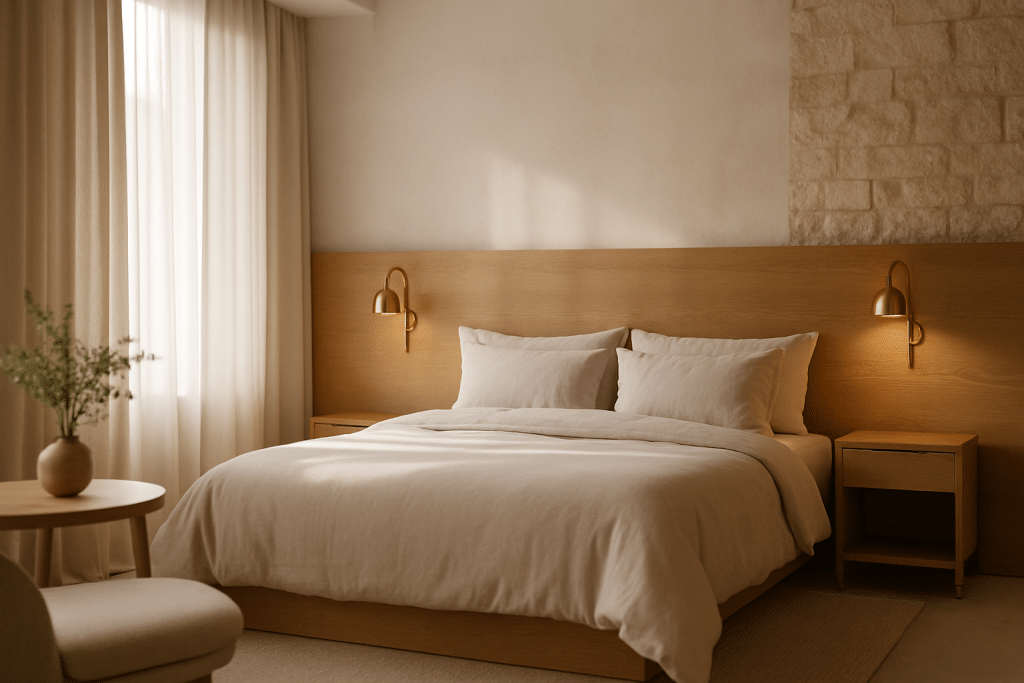
Superior/Deluxe Rooms (240-300 sq ft): Standard for mid-market Dhaka properties. Accommodates king bed (72″×75″), expanded work zone with proper task lighting, reading chair, and bathroom with separate shower enclosure (55-65 sq ft). This category allows better furniture spacing and perceived comfort—critical for 3.5-4 star positioning.
Premium/Suite Categories (350-500+ sq ft): Required for boutique hotels in Gulshan, Banani, or beachfront Cox’s Bazar properties targeting BDT 12,000-25,000/night. Layout separates sleeping and sitting zones, includes mini-pantry or wet bar, and bathroom with soaking tub. Window placement for Bay of Bengal or Hatirjheel views becomes a primary design driver.
Layout principle for Bangladesh climate: avoid placing beds directly under air conditioning units (condensation drip risk during monsoon) and ensure AC distribution reaches bathroom areas where moisture and mold are primary concerns.
Bathroom Design Specifications for Guest Satisfaction and Maintenance
Hotel bathroom design significantly impacts guest ratings in Bangladesh properties. TripAdvisor analysis shows 68% of negative hotel reviews in Dhaka cite bathroom issues: inadequate water pressure, poor drainage, mold/mildew, or insufficient lighting.
Drainage and waterproofing: Critical specification often mishandled. Floor slope minimum 1:100 toward drain. Use waterproofing membrane systems (Dr. Fixit, BASF MasterSeal available locally) extending 150mm up walls minimum. Linear drains perform better than center point drains for Bangladesh’s heavy monsoon humidity—they reduce standing water that causes tile grout deterioration.
Shower enclosures: Frameless glass (10mm tempered) has become standard for superior category rooms, but requires proper sealing. Silicone sealant degrades in 18-24 months under Dhaka humidity; specify polyurethane-based sealants (Bostik, Sika) for 4-5 year durability. Shower floor anti-slip rating minimum R10 (DIN 51130 standard) to reduce liability risk.
Ventilation requirements: Bathroom exhaust fans minimum 80 CFM for standard rooms, 120+ CFM for premium categories. Under-specification here causes mold within 8-12 months. Install humidity-sensing auto-on fans to ensure operation even when guests forget to switch them on.
Fixture specifications: Wall-hung toilets (Roca, Cera, Hindware available in Dhaka) simplify floor cleaning and reduce maintenance versus floor-mounted units. Sensor faucets reduce water waste but require accessible battery/power supply—mains-powered versions perform better than battery types in Bangladesh where housekeeping battery replacement often gets neglected.
Hot water systems: Instant electric geysers (15-25 liters) work for economy properties; centralized hot water with recirculation loops required for premium hotels to deliver instant hot water (guest expectation for 4+ star). Insulate all hot water piping to prevent condensation drip damage to ceilings in rooms below.
Material Selection for Bangladesh Climate Conditions
Hotel design materials must withstand 75-90% humidity, salt air in coastal Cox’s Bazar properties, and intensive cleaning protocols using bleach-based disinfectants. Wrong material choices cause premature degradation and guest complaints.
Flooring Solutions: Performance vs. Budget Trade-offs
Luxury Vinyl Tile (LVT): Optimal choice for most Bangladesh hotel rooms. Cost: BDT 180-320/sq ft installed (Tarkett, Armstrong, Polyflor available through Dhaka importers). Advantages: 100% waterproof, realistic wood appearance, warm underfoot, easy replacement of damaged sections, 12-15 year lifespan under hotel use. Specify commercial wear layer minimum 0.5mm thickness.
Porcelain tile: Standard for bathrooms, also suitable for guest rooms in coastal properties where sand tracking is severe. Cost: BDT 120-280/sq ft installed depending on quality (RAK, Somany, imported Spanish/Italian). Use rectified edge tiles with minimal grout lines (2mm) and epoxy grout (not cement-based) for stain resistance. Matte finish or textured surface essential—polished porcelain becomes dangerously slippery when wet.
Carpet (avoid in most Bangladesh applications): Traditional hotel choice internationally, but problematic here. Humidity causes mildew growth within 2-3 years despite regular cleaning. If client insists (for luxury suites), specify 100% solution-dyed nylon with moisture barrier backing and ensure room maintains 50-60% relative humidity via dehumidification, adding operational cost.
Engineered wood (limited application): Use only for premium suites with excellent climate control. Even engineered wood expands/contracts in Bangladesh humidity. Cost: BDT 450-750/sq ft installed. Specify marine-grade adhesives and leave expansion gaps around perimeter.
Wall Finishes and Paint Specifications
Paint systems: Asian Paints Royale Atmos or Berger WeatherCoat Anti-Bacterial for guest rooms (BDT 85-120/sq ft painted surface including labor). These contain fungicidal additives critical for Bangladesh humidity. Use semi-gloss or satin sheens that tolerate cleaning; flat/matte paint stains permanently. Repaint cycle: 3-4 years for occupied hotels, 2-3 years for Cox’s Bazar coastal properties where salt air accelerates deterioration.
Accent walls: Wallpaper creates design impact but requires climate-appropriate selection. Vinyl-coated or non-woven wallpapers (not paper-backed) tolerate humidity better. Cost: BDT 180-450/sq ft installed (mid-range commercial hospitality patterns). Warranty typically 5-7 years, but actual lifespan in Bangladesh 4-5 years in air-conditioned spaces, 2-3 years in corridors/lobbies without full climate control.
Paneling and wainscoting: MDF or particle board panels absorb moisture and delaminate. Use solid wood (painted or stained), WPC (wood-plastic composite), or aluminum composite panels for durability. Cost: BDT 320-680/sq ft installed depending on material and finish complexity.
Furniture Selection and Specifications for Hotel Durability
Hotel furniture endures far more stress than residential pieces. A hotel bed sees 300-365 sleep cycles per year versus 365 cycles over a family’s lifetime in residential context. Furniture failure creates immediate guest complaints and TripAdvisor mentions.
Case Goods (Wardrobes, Desks, TV Units)
Avoid MDF and particle board carcasses—they swell and fail in Bangladesh humidity within 18-24 months despite laminate coating. Specify plywood carcass (minimum 18mm BWP/BWR grade marine ply) with laminate or veneer finish. Hardware: European hinges (Hettich, Blum) and drawer slides with soft-close—these withstand 80,000-100,000 cycles versus local hardware at 15,000-20,000 cycles.
Cost ranges for standard room furniture package (bed frame, headboard, 2 side tables, desk with chair, wardrobe, luggage rack, TV unit):
- Economy specification (local manufacturers, plywood construction): BDT 85,000-125,000 per room
- Mid-range specification (better joinery, imported hardware, engineered durability): BDT 145,000-220,000 per room
- Premium specification (boutique hotels, design-forward pieces, imported or custom): BDT 280,000-450,000 per room
Finish consideration: dark wood finishes (walnut, espresso) show dust and require daily housekeeping attention. Light oak or white-washed finishes are more forgiving but show stains. Medium tones (natural oak, teak) balance both concerns.
Upholstered Furniture and Textile Selections
Mattresses: This is not an area to economize. Guest comfort ratings correlate directly with mattress quality. Specify hotel-grade pocket spring or memory foam mattresses with minimum 10-year warranty. Cost: BDT 25,000-55,000 for queen, BDT 32,000-72,000 for king (Hatil Contract, Otobi Hospitality, or imported Sealy/King Koil). Include waterproof mattress protectors (BDT 2,500-4,500) as standard—essential for hygiene and warranty protection.
Upholstered seating: Fabric must be commercial-grade with Martindale abrasion rating minimum 40,000 cycles (better quality 60,000-100,000 cycles). Leather/leatherette easier to clean but hotter in Bangladesh climate unless rooms maintain consistent 22-24°C. Removable, washable covers add operational flexibility. Cost: desk chair BDT 8,500-18,500, accent chair BDT 15,000-32,000 depending on specification.
Window treatments: Blackout capability essential (business travelers need sleep flexibility). Specify blackout curtains or roller blinds with side channels to prevent light leakage. Sheer inner layer for daytime privacy while maintaining view. Curtain fabric: polyester blends (not cotton) resist mildew. Cost: BDT 8,500-16,500 per window including hardware and installation for mid-range properties.
Complete Hotel Room Interior Design Cost Breakdown for Bangladesh Properties
These costs reflect 2026 Dhaka market rates for professional commercial interior design execution, not basic contractor fit-out work. Costs include design, materials, labor, and installation but exclude RAJUK approvals, structural work, or MEP rough-ins.
Standard Room Category (220-240 sq ft) Cost Breakdown
Economy positioning (3-star equivalent, BDT 2,500-4,000/night target rate):
- Flooring (LVT or ceramic tile): BDT 40,000-52,000
- Wall treatment (paint, one accent wall): BDT 24,000-32,000
- False ceiling (gypsum board, basic lighting): BDT 35,000-45,000
- Furniture package (as specified above): BDT 95,000-125,000
- Soft furnishings (curtains, bedding, cushions): BDT 18,000-25,000
- Bathroom fit-out (fixtures, tiles, accessories): BDT 85,000-115,000
- Lighting (ambient, task, accent): BDT 22,000-30,000
- TV and mounting (32-40″): BDT 28,000-38,000
- Electrical and AC (split AC, outlets, switches): BDT 55,000-70,000
- Decor and accessories: BDT 12,000-18,000
- Total per room: BDT 4.15-5.50 lakh
Mid-range positioning (3.5-4 star equivalent, BDT 5,500-8,500/night target rate):
- Flooring (premium LVT or porcelain): BDT 55,000-72,000
- Wall treatment (paint plus feature wallpaper wall): BDT 38,000-52,000
- False ceiling (with cove lighting, design features): BDT 52,000-68,000
- Furniture package: BDT 155,000-220,000
- Soft furnishings (quality fabrics, layered window treatment): BDT 32,000-45,000
- Bathroom fit-out (frameless glass, premium fixtures): BDT 125,000-175,000
- Lighting (layered lighting design, dimmers): BDT 38,000-52,000
- TV and mounting (43-50″, smart TV): BDT 42,000-58,000
- Electrical and AC (inverter AC, USB charging points): BDT 72,000-90,000
- Decor and artwork: BDT 22,000-35,000
- Total per room: BDT 6.30-8.70 lakh
Boutique hotel interior design/Premium positioning (4+ star equivalent, BDT 10,000-20,000+/night target rate):
- Flooring (imported LVT, designer tiles, or engineered wood): BDT 85,000-125,000
- Wall treatment (wallpaper, paneling, textured finishes): BDT 68,000-95,000
- False ceiling (custom design, indirect lighting, acoustic treatment): BDT 85,000-120,000
- Furniture package (custom or imported pieces): BDT 300,000-500,000
- Soft furnishings (designer fabrics, custom headboards): BDT 55,000-85,000
- Bathroom fit-out (spa-quality, soaking tub, rain showers, premium stone): BDT 220,000-350,000
- Lighting (architectural lighting design, controls): BDT 65,000-95,000
- TV and mounting (55-65″, integrated systems): BDT 75,000-125,000
- Electrical and AC (multi-zone climate control, smart controls): BDT 110,000-165,000
- Decor and custom artwork: BDT 45,000-75,000
- Total per room: BDT 11.00-17.35 lakh
These costs scale with volume—20+ room projects typically achieve 12-18% better pricing through bulk procurement. Cox’s Bazar projects add 8-12% for logistics and transportation from Dhaka/Chattogram suppliers.
Professional Design Fees and Project Management for Hotel Interior Work
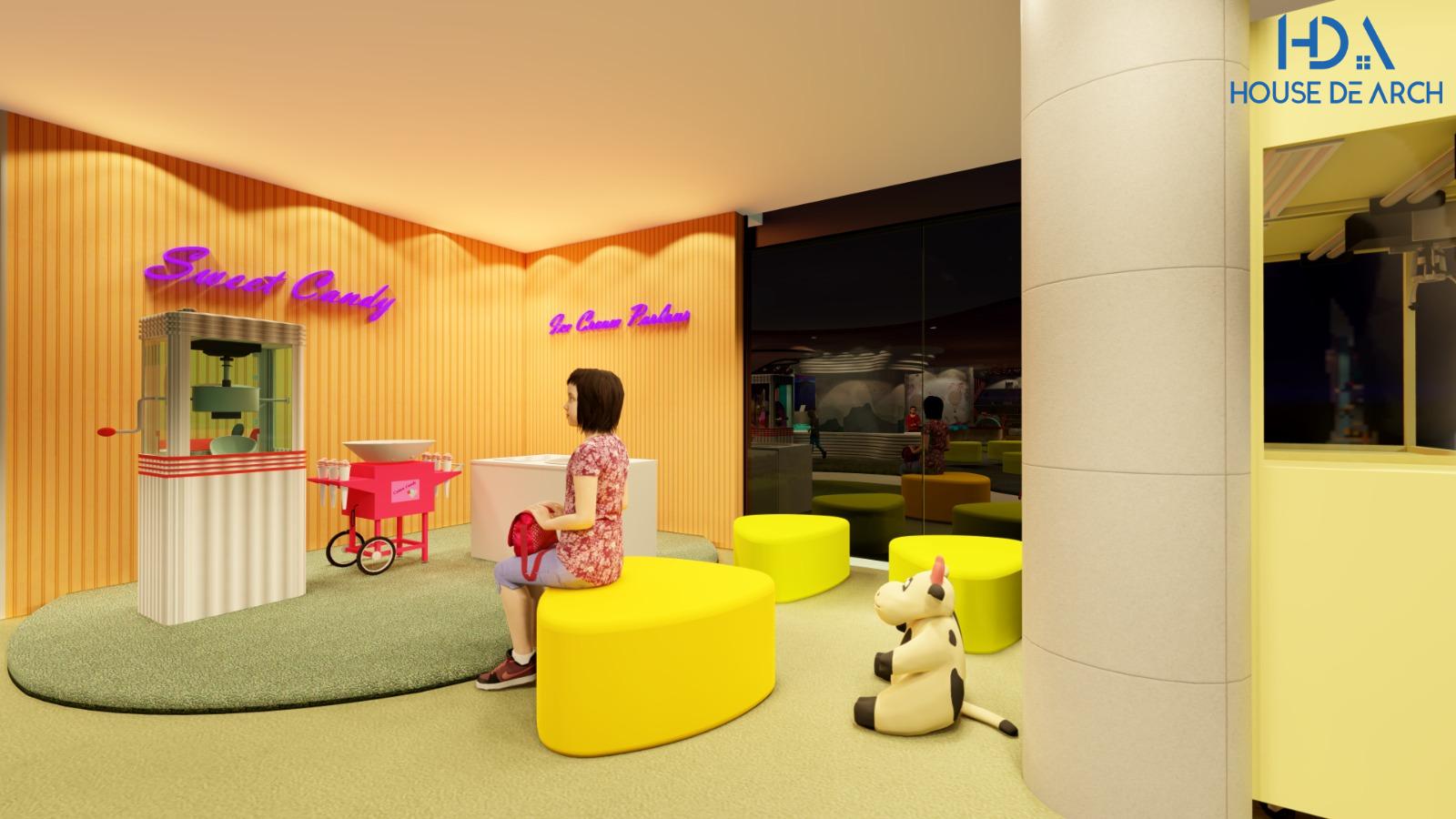
Hotel interior design requires specialized expertise beyond residential interior design. Professional fees for firms like House De Arch with hospitality experience:
- Design concept and development: BDT 450-750 per sq ft of guest room area (includes space planning, material specifications, 3D visualization, FF&E specifications, procurement documentation)
- Project management and site supervision: 8-12% of project execution cost or BDT 35,000-65,000 per room depending on complexity
- Consultancy services (feasibility, brand positioning, operational efficiency review): BDT 125,000-250,000 for initial assessment
These fees deliver measurable value: professional design reduces material waste (8-12% savings), accelerates project completion (avoiding revenue loss from extended closure), and ensures code compliance (avoiding costly RAJUK remediation).
Guest Experience Design Elements That Impact Revenue
Beyond aesthetic appeal, specific design decisions directly affect guest satisfaction scores, online review ratings, and ultimately booking conversion and rate premiums.
Lighting design hierarchy: Single overhead light is inadequate. Layered lighting includes ambient (ceiling), task (desk, bedside reading), and accent (artwork, architectural features). Dimming capability essential—guests want control. Bedside control panel or switches for main lights prevent guests from needing to cross dark rooms. Poor lighting is mentioned in 23% of negative Bangladesh hotel reviews.
Power outlet placement and USB charging: Modern expectation: 4-6 outlets plus 2-4 USB charging ports per room. Outlets needed at bedside (both sides), desk, luggage area, and bathroom (for shavers/hairdryers). Retrofitting outlets in renovation projects costs BDT 8,500-12,500 per room but eliminates a common guest complaint.
Storage adequacy: International travelers need wardrobe space for 5-7 days of clothing plus luggage storage separate from wardrobe. Include shelving (not just hanging rail), safe large enough for laptops (not just passport-sized), and drawer space. Inadequate storage generates frustration particularly from longer-stay guests.
Workspace functionality: For business hotels, desk must accommodate laptop work with proper ergonomic chair height and task lighting minimum 500 lux. Include accessible power strip and cable management. Desk size minimum 36″×20″—smaller dimensions common in economy hotels but functionally inadequate for actual work.
Soundproofing between rooms: Often neglected in Bangladesh hotel construction. Guest complaint frequency correlates strongly with noise transmission. Specify acoustic insulation in partition walls (minimum 50mm glass wool between gypsum board layers). Door seals and threshold strips reduce corridor noise leakage. For properties near busy roads (common in Dhaka), specify acoustic-rated windows (double glazing with air gap) despite 35-45% cost premium.
Climate control effectiveness: Undersized AC units trying to cool poorly insulated rooms create guest discomfort and high electricity costs. Properly sized split AC (1.5 ton minimum for 220 sq ft room, 2 ton for 300+ sq ft) with separate bathroom exhaust. Thermostat accessible to guests but lockout preventing extreme settings (preventing runaway electricity costs).
Design Considerations for Different Bangladesh Hotel Typologies
Dhaka business hotels (Tejgaon, Kawran Bazar, Banani): Design priorities: fast WiFi (6+ Mbps per room minimum), functional workspace, blackout window treatments for irregular sleep schedules, efficient check-in/out. Guest demographic is corporate travelers with 1-3 night stays, prioritizing functionality over leisure amenities. Budget focus: durable finishes over luxury aesthetics, operational efficiency over design complexity.
Boutique hotels (Gulshan, Baridhara, Old Dhaka heritage areas): Design priorities: unique character and Instagram-worthy spaces, local cultural elements, personalized service supported by design (staff visibility, guest interaction zones). These properties compete on experience, not price, justifying higher design investment. Budget allocation: 15-20% more on distinctive design elements, custom furniture, artwork, and guest-facing spaces (lobby, restaurant, corridors) that contribute to brand identity.
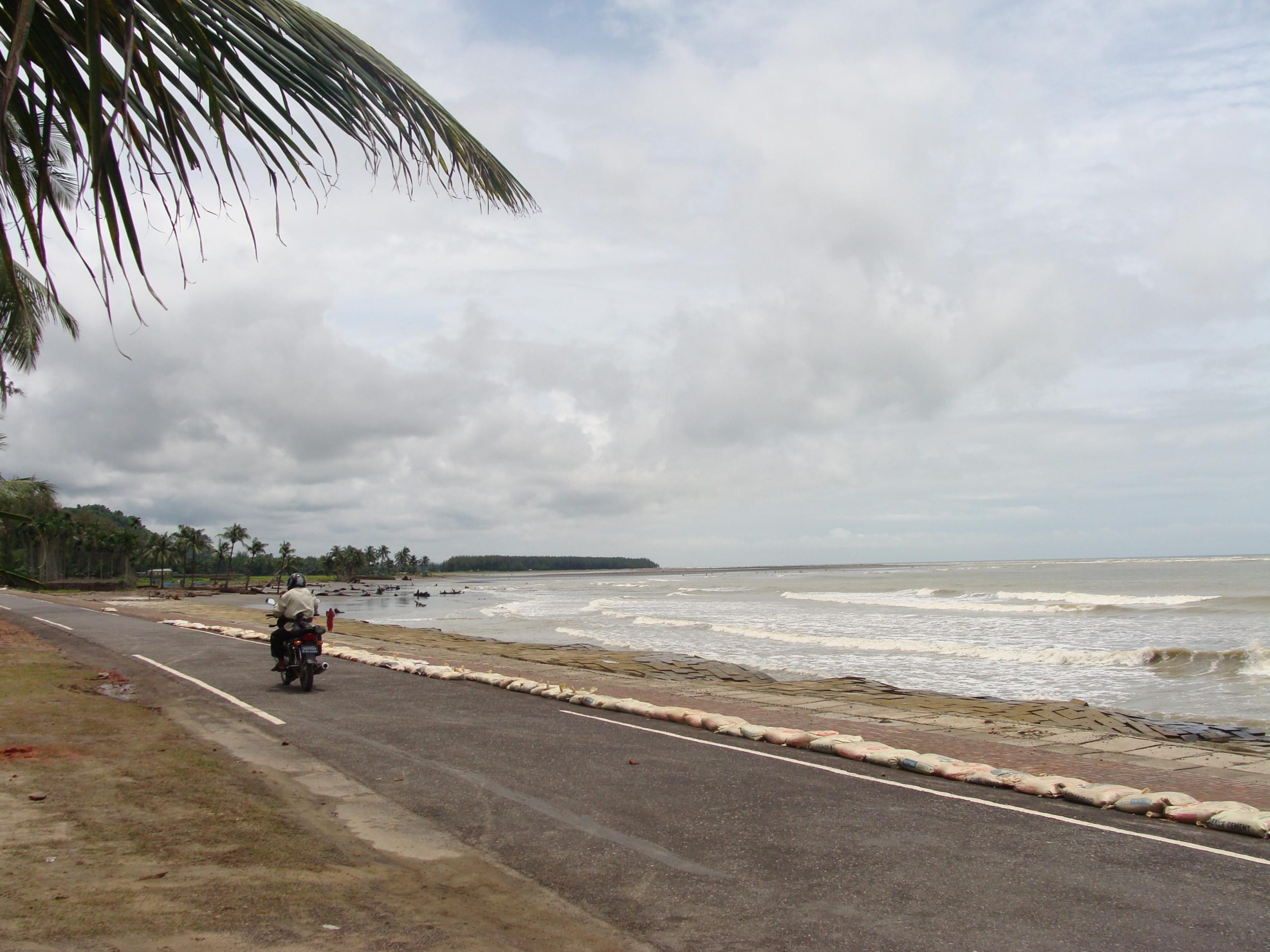
Cox’s Bazar beach resorts: Design priorities: corrosion-resistant materials throughout (salt air attacks metal, accelerates paint degradation), sand management (flooring choices, cleaning efficiency), outdoor living spaces (balconies, terraces), and view optimization. Color palettes: coastal/neutral tones that don’t compete with natural beach views. These properties justify premium rates through location and design quality. Budget consideration: 10-15% premium for marine-grade materials and finishes that withstand coastal environment.
Highway/transit hotels (Dhaka-Chattogram, Dhaka-Sylhet routes): Design priorities: quick turnover (simpler cleaning routines), durability over aesthetics, security (vehicle parking visibility from rooms), sound insulation from road noise. Guest demographic: overnight transit stops, price-sensitive. Budget focus: minimize maintenance, maximize durability, keep design simple and replicable across multiple properties.
Maintenance and Lifecycle Planning for Hotel Interior Design
Unlike residential projects, hotel interior design must plan for continuous maintenance and phased replacement while property remains operational. This requires specific design decisions often overlooked in initial planning.
Modular furniture approach: Specify furniture that allows individual piece replacement rather than complete room package. When one chair or headboard is damaged (inevitable in hotel use), replacing a single piece is more cost-effective than waiting until all pieces fail. Maintain spare inventory (8-10% of total furniture count) for immediate replacements.
Staggered room renovation schedule: Design with 5-7 year major refresh cycle in mind, typically renovating 20-30% of inventory annually (spreading cost and minimizing out-of-order rooms). Design elements that age uniformly and can be updated cost-effectively: paint colors, soft furnishings, artwork. Avoid trendy design elements that date quickly—classic contemporary works better for hotel longevity than cutting-edge trends.
Maintenance access considerations: Design for serviceability. AC units require annual cleaning and 5-8 year replacement—ensure ceiling panels are removable. Plumbing shut-off valves must be accessible without removing permanent finishes. Specify lighting fixtures with easily replaced lamps/LEDs rather than integrated LED fixtures requiring complete replacement.
Documentation for operations team: Professional design firms should deliver maintenance manuals including: material specifications, paint codes, tile batch numbers, furniture supplier contacts, warranty documentation, and recommended maintenance schedules. This documentation enables consistent repairs and renovations as staff turns over.
When to Hire Specialized Hotel Interior Design vs. General Contractors
Bangladesh hotel developers often debate whether specialized hospitality interior design justifies higher fees versus using general fit-out contractors familiar with commercial work.
Specialized hospitality interior design (firms with hotel portfolio) justified when:
- Property targets 3.5+ star positioning and BDT 6,000+/night rates where design quality impacts booking conversion
- Boutique hotel concept where unique design is core brand differentiator
- Renovation of operating property requiring phased approach minimizing guest disruption
- Multiple room categories requiring coordinated design hierarchy (standard/deluxe/suite progression must feel intentional, not arbitrary)
- FF&E procurement requires specification expertise and supplier vetting to avoid quality failures
- Timeline is compressed and project management discipline prevents costly delays
General commercial contractor approach may suffice when:
- Economy positioning (2-3 star equivalent) where price is primary competitive factor
- Simple room duplication with minimal design variation
- Owner has internal procurement expertise and capacity to manage supplier relationships
- Reference properties exist that can be directly replicated
The cost differential is typically 18-25% higher for specialized design firms, but the ROI calculation includes: higher guest satisfaction scores (0.3-0.5 star improvement on booking platforms), lower maintenance costs over 5-year period (12-18% reduction from better material specification), and faster project completion (reducing revenue loss from out-of-order rooms during renovation).
House De Arch’s commercial interior design experience includes hospitality projects where these considerations shaped project approach and delivered measurable performance improvements in guest metrics and operational efficiency. For comprehensive cost estimation specific to your hotel project scope, detailed consultation evaluates your property positioning, target guest profile, and design investment ROI.
RAJUK and Fire Safety Compliance for Hotel Interior Design
RAJUK (Rajdhani Unnayan Kartripakkha) building regulations and Bangladesh National Building Code (BNBC) impose specific requirements on commercial lodging facilities that interior design must accommodate.
Fire safety requirements: Hotels must provide two means of egress from guest floors. Corridor widths minimum 1.8m for properties with 10+ rooms per floor. Exit signage with battery backup required at corridor intersections and exits. Fire-rated doors (minimum 1-hour rating) between corridor and guest rooms—often overlooked in economy hotel construction but RAJUK can enforce during inspection.
Sprinkler and detection systems: Required for properties above certain heights or room counts (typically 5+ floors or 40+ rooms). Sprinkler head spacing affects ceiling design—coordinate with MEP engineers before finalizing ceiling layouts. Smoke detectors in each guest room and corridor heat detectors in kitchen areas if hotel includes food service.
Emergency lighting: Battery backup lighting required in corridors, stairwells, and exits. Affects electrical design and ongoing maintenance (battery replacement every 3-4 years). Cost: BDT 45,000-75,000 per floor for code-compliant emergency lighting systems.
Material flame spread ratings: Wall and ceiling finishes must meet Class A or Class B flame spread ratings per BNBC. Affects material selection—some decorative materials do not meet standards. Curtains and upholstery should meet FR (flame-retardant) standards, particularly critical in Bangladesh where fire safety enforcement has increased following high-profile commercial building fires.
Accessibility provisions: While not universally enforced in Bangladesh, better hotel operators provide accessible rooms (5-8% of inventory) with wider doorways (minimum 32″ clear width), roll-in showers with fold-down seats, and grab bars. Forward-thinking design includes these provisions as international hotel brands entering Bangladesh market expect this standard.
ROI Analysis: Design Investment vs. Revenue Impact for Bangladesh Hotels
Hotel interior design is capital investment requiring ROI justification. Here’s how design quality translates to financial performance for Bangladesh properties:
Rate premium from design quality: Well-designed rooms command 12-18% higher rates versus comparable location competitors with dated or poor design. For 40-room property averaging BDT 6,500/night at 70% occupancy, design-driven 15% rate premium generates approximately BDT 27 lakh additional annual revenue (BDT 975/night × 40 rooms × 255 occupied nights).
Occupancy improvement from review ratings: Each 0.5-point rating improvement (on 10-point Booking.com scale) increases occupancy by approximately 5-8 percentage points according to hospitality industry research. For same 40-room property, increasing occupancy from 70% to 76% generates BDT 14 lakh additional annual revenue at BDT 6,500/night rates.
Combined revenue impact: BDT 27 + 14 = BDT 41 lakh annual revenue improvement from design investment. If design premium (professional design vs. basic fit-out) is BDT 2.5 lakh per room × 40 rooms = BDT 1 crore incremental investment, payback period is approximately 2.9 years from operational revenue improvements alone, not including higher property valuation for eventual sale.
Maintenance cost reduction: Proper material specification reduces replacement frequency and maintenance labor. Example: quality LVT flooring lasts 12-15 years versus cheap vinyl tiles requiring replacement in 5-7 years. Across 40 rooms (220 sq ft average), saving one replacement cycle saves approximately BDT 10-12 lakh over property’s operational period.
Reduced offline booking commission: Strong design drives direct bookings and repeat guests, reducing dependency on OTA platforms charging 15-25% commission. Improving direct booking mix from 30% to 45% saves approximately BDT 18-24 lakh annually in commission costs for property generating BDT 1.15 crore annual revenue.
These metrics demonstrate that hotel interior design is not discretionary aesthetic spending—it is strategic investment with measurable financial returns that exceed the capital cost within reasonable payback periods.
FAQ
What is the average cost per room for hotel interior design in Bangladesh?
Hotel room interior design costs in Bangladesh range from BDT 4.15-5.50 lakh per room for economy positioning (3-star equivalent), BDT 6.30-8.70 lakh for mid-range properties (3.5-4 star), and BDT 11-17.35 lakh for boutique/premium hotels (4+ star). These costs include flooring, wall treatments, furniture, bathroom fit-out, lighting, and soft furnishings. Professional design fees add 8-12% for project management. Cox’s Bazar coastal properties typically add 8-12% for logistics costs.
What materials work best for hotel room flooring in Bangladesh’s humid climate?
Luxury Vinyl Tile (LVT) is optimal for most Bangladesh hotel rooms—it’s 100% waterproof, handles humidity well, costs BDT 180-320/sq ft installed, and lasts 12-15 years under hotel use. Porcelain tile (BDT 120-280/sq ft) is standard for bathrooms and works well in coastal properties where sand tracking is severe. Avoid carpet in Bangladesh hotels due to mildew growth from humidity, and use engineered wood only in premium suites with excellent climate control.
How does hotel interior design impact guest review ratings and revenue?
Professional hotel interior design directly impacts financial performance. A 0.5-point improvement in guest ratings on booking platforms typically increases occupancy by 5-8 percentage points and allows 12-18% higher room rates. For a 40-room property averaging BDT 6,500/night at 70% occupancy, design-driven improvements can generate BDT 40+ lakh additional annual revenue through rate premiums and improved occupancy, with payback on design investment typically 2.5-3.5 years.
What bathroom features are essential for positive hotel guest reviews in Dhaka/Cox’s Bazar?
Critical bathroom design elements for Bangladesh hotels include: proper drainage with minimum 1:100 floor slope and linear drains, exhaust fans minimum 80-120 CFM with humidity sensing, waterproofing membranes extending 150mm up walls, frameless glass shower enclosures with polyurethane-based sealants (not silicone), anti-slip flooring rated R10 minimum, wall-hung toilets for easier cleaning, and instant hot water delivery. TripAdvisor analysis shows 68% of negative hotel reviews in Dhaka cite bathroom issues, making this a critical design investment area.
Should I hire specialized hospitality interior design or use a general contractor for my hotel project?
Specialized hospitality interior design is justified for properties targeting 3.5+ star positioning (BDT 6,000+/night rates), boutique concepts where design is a brand differentiator, renovations of operating properties, and projects with multiple room categories requiring coordinated design hierarchy. While specialized firms cost 18-25% more, the ROI includes higher guest satisfaction scores (0.3-0.5 star improvement), lower 5-year maintenance costs (12-18% reduction), and faster project completion. General contractors may suffice for simple economy hotels focused primarily on price competition.
What furniture specifications are needed for hotel durability in Bangladesh?
Hotel furniture must use plywood carcass construction (minimum 18mm BWP/BWR grade marine ply) rather than MDF or particle board which fails in Bangladesh humidity within 18-24 months. Specify European hardware (Hettich, Blum) that withstands 80,000-100,000 cycles. Hotel-grade mattresses cost BDT 25,000-72,000 depending on size and should include 10-year warranty. Upholstered fabrics need commercial-grade Martindale abrasion rating minimum 40,000 cycles. Complete furniture packages range from BDT 85,000 (economy) to BDT 450,000 (premium) per room.