
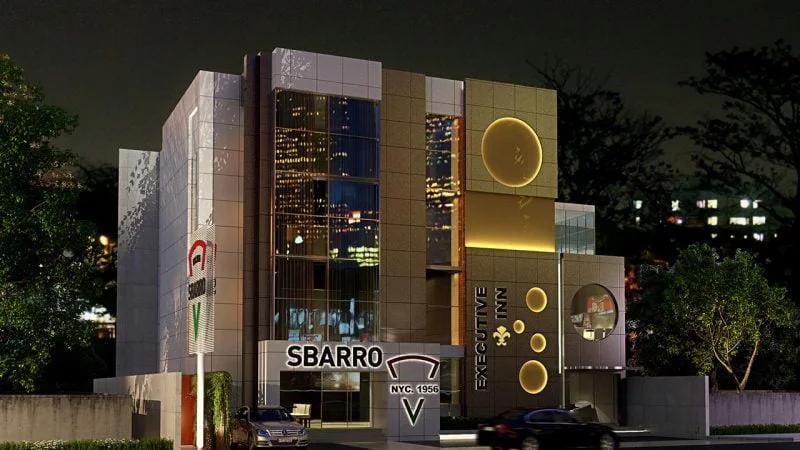
Bangladesh’s restaurant and hospitality sector is undergoing a transformation. From fine dining in Gulshan to neighbourhood cafes in Dhanmondi, the standard for restaurant interior design has risen dramatically — and customers now expect an experience, not just a meal. At House De Arch, we’ve designed restaurants, cafes, and hospitality spaces that earn five-star reviews before the food even arrives.
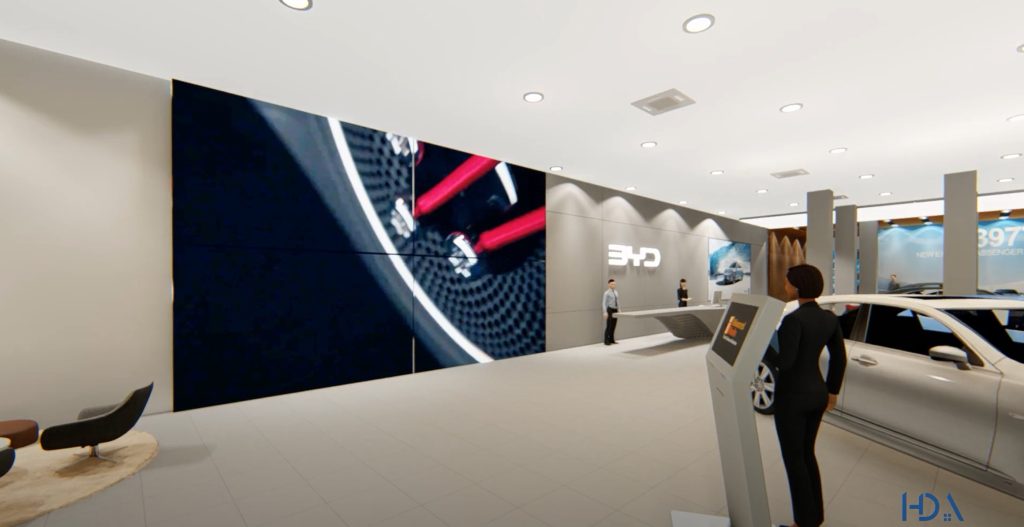
This complete guide covers everything you need to know about restaurant interior design — from initial concept to opening day, including layouts, materials, lighting, cost, and the trends shaping Bangladesh’s dining scene in 2025.
Why Restaurant Interior Design Matters
In a competitive market, the visual and experiential quality of your restaurant is as important as your menu. Research consistently shows that customers decide whether to return within the first few minutes of entering — before tasting a single dish. Your interior communicates:
- Price positioning: The design instantly signals whether you’re a casual spot or fine dining destination
- Brand personality: Warm and rustic, sleek and modern, vibrant and playful — your interior tells your brand story
- Comfort and stay time: Well-designed spaces encourage customers to linger, order more, and return
- Instagram-worthiness: In Bangladesh’s social-media-driven dining culture, a photogenic interior drives organic marketing
Key Elements of Restaurant Interior Design
1. Floor Plan and Layout
The floor plan determines your restaurant’s capacity, flow, and atmosphere. A well-planned layout maximises covers (revenue-generating seats) while ensuring enough space for comfortable dining and efficient service. Key considerations include:
- Table mix: The right balance of 2-tops, 4-tops, and larger group tables for your target customer
- Service aisles: Minimum 900mm between tables for comfortable waiter navigation
- Kitchen-to-dining flow: Efficient positioning of the pass and service stations to minimise crossover traffic
- Entry experience: The host stand, waiting area, and first view of the dining room all shape the first impression
2. Lighting Design
Lighting is possibly the single most powerful tool in restaurant design. The wrong lighting can ruin the most beautiful space; the right lighting can elevate even a modest interior to something memorable. Restaurant lighting should achieve:
- Ambiance creation: Warm, dimmed lighting (2,700–3,000K) creates intimacy for dinner service; brighter lighting (3,500–4,000K) suits casual daytime dining
- Table focal points: Pendant lights or downlights positioned directly over tables draw focus and make food look appetising
- Feature highlighting: Accent lighting on artwork, textured walls, or bar displays creates visual interest
- Dimmability: Always design for dimmer control so the same space can transition from lunch to dinner service
3. Material Selection
Restaurant materials must balance aesthetics with the practical realities of a commercial environment — high traffic, spills, heat, humidity, and the constant need for cleaning. In Bangladesh’s climate, moisture resistance is a particular priority.
Recommended materials for Bangladeshi restaurants include porcelain tile or polished concrete flooring (durable, easy to clean), timber-effect laminates (warmth without moisture risk), stainless steel and tile in kitchen areas, and fabric or leather upholstery with commercial-grade stain protection on seating.
4. The Bar and Service Counter
The bar is often the centrepiece of a restaurant or cafe design — the first thing customers see, and the focal point of the space. An impactful bar design incorporates layered back-bar displays, quality surface materials, good under-counter lighting, and the right height (typically 1,050–1,100mm for standing service, 750mm for seated bar stools).
5. Acoustics
Noise is one of the most common complaints in restaurant reviews. Hard surfaces — tile, concrete, glass — reflect sound and create uncomfortable din. Effective acoustic design incorporates soft surfaces (upholstered seating, curtains, carpet), acoustic ceiling panels, and strategic layout to absorb and diffuse sound. The goal is a buzz of activity, not a wall of noise.
6. Commercial Kitchen Design
The kitchen is the engine of your restaurant. Its design directly impacts food quality, service speed, and staff wellbeing. Key principles include workflow efficiency (prep → cook → plate → pass), adequate ventilation and exhaust, non-slip and easy-clean surfaces throughout, and compliance with Bangladesh’s food safety regulations.
Restaurant Design Styles Popular in Bangladesh
Contemporary Fine Dining
Clean lines, rich materials, subdued palettes, and impeccable detail. This style communicates quality and exclusivity — ideal for restaurants in Gulshan, Banani, and Baridhara positioning themselves at the premium end of Dhaka’s dining market.
Industrial Café
Exposed brick, concrete, metal conduit, Edison bulbs, and reclaimed timber. This aesthetic is enormously popular among Dhaka’s young urban professionals and creates a backdrop perfectly suited to speciality coffee culture. It’s also cost-effective, as the aesthetic celebrates raw materials rather than expensive finishes.
Tropical/Biophilic
Bangladesh’s lush tropical environment offers rich inspiration for restaurant design — abundant plants, natural textures, rattan and bamboo furniture, and earthy colour palettes create spaces that feel simultaneously local and internationally on-trend.
Heritage/Cultural
Restaurants celebrating Bangladeshi or wider South Asian culinary heritage increasingly incorporate cultural motifs — Nakshi Kantha textile patterns, terracotta elements, hand-painted murals, and traditional craft objects — into contemporary interiors, creating spaces with genuine storytelling depth.
Restaurant Interior Design Cost in Bangladesh
| Restaurant Type | Cost per Sq Ft | Example (1,500 sq ft) |
|---|---|---|
| Casual Dining / Café | ৳1,000 – ৳2,000 | ৳15L – ৳30L |
| Mid-Range Restaurant | ৳2,000 – ৳3,500 | ৳30L – ৳52.5L |
| Fine Dining | ৳4,000 – ৳7,000+ | ৳60L – ৳1Cr+ |
These costs cover interior design fees, furniture, fixtures, lighting, and installation. Kitchen equipment, MEP upgrades, and specialist items (custom artwork, imported materials) are additional. For a project-specific estimate, contact House De Arch.
The Restaurant Design Process
- Concept & Brief: Understanding your cuisine, target customer, price point, and brand vision
- Space Survey: Assessing the raw space — structure, MEP, natural light, access
- Concept Design: 2-3 design directions with mood boards, floor plans, and material palettes
- Design Development: Detailed drawings, 3D visualisations, furniture and equipment schedules
- Kitchen Design: Specialist commercial kitchen planning coordinated with your head chef
- Construction & Fit-out: Managed by our on-site team with weekly progress updates
- Soft Opening Support: We remain on-site during your soft opening to address any last-minute refinements
Restaurant Design Trends for 2025
- The counter/open kitchen: Guests want to see their food being prepared. Open pass designs and chef’s counter seating are increasingly popular.
- Outdoor and semi-outdoor dining: Post-pandemic, customers crave fresh air. Rooftop restaurants and extended terraces are a strong trend in Dhaka.
- Flexible seating configurations: Modular furniture that allows spaces to shift from casual daytime dining to intimate evening settings.
- Sustainable sourcing: Reclaimed materials, locally sourced timber, and reduced plastic in both kitchen and dining areas.
- Instagrammable focal points: A striking installation, mural, or design feature designed specifically as a social media backdrop drives organic reach.
Frequently Asked Questions
How long does restaurant design and fit-out take in Bangladesh?
A typical café or small restaurant (under 1,500 sq ft) can be designed and built in 8–12 weeks from sign-off. Larger or more complex restaurants (3,000+ sq ft, multi-level) typically require 4–6 months. Kitchen fit-out often takes longer due to equipment lead times — we recommend starting kitchen procurement early.
What should I bring to an initial consultation with a restaurant designer?
Come with your menu concept, any reference images or brands you admire, your target customer profile, your budget range, and your lease terms (particularly any landlord restrictions on works). The more context you bring, the more tailored and useful our initial consultation will be.
Can you help with both the dining room and the commercial kitchen?
Yes. House De Arch designs both front-of-house and back-of-house spaces. Our commercial kitchen designs are developed in coordination with your chef and comply with Bangladesh’s food safety and hygiene requirements.
Do you work with franchise restaurants?
Yes, we have experience working within franchise brand guidelines while still delivering locally relevant, high-quality fit-outs. We coordinate directly with franchise development teams to ensure compliance without compromising on quality.
Related Articles
- The Complete Guide to Office Interior Design in Bangladesh
- Top Interior Design Trends 2025 in Bangladesh
- Commercial Interior Design: Boosting Productivity Through Design
House De Arch is Bangladesh’s leading integrated interior design and construction firm, with completed restaurants across Dhaka and beyond. Contact us to discuss your restaurant design project.